
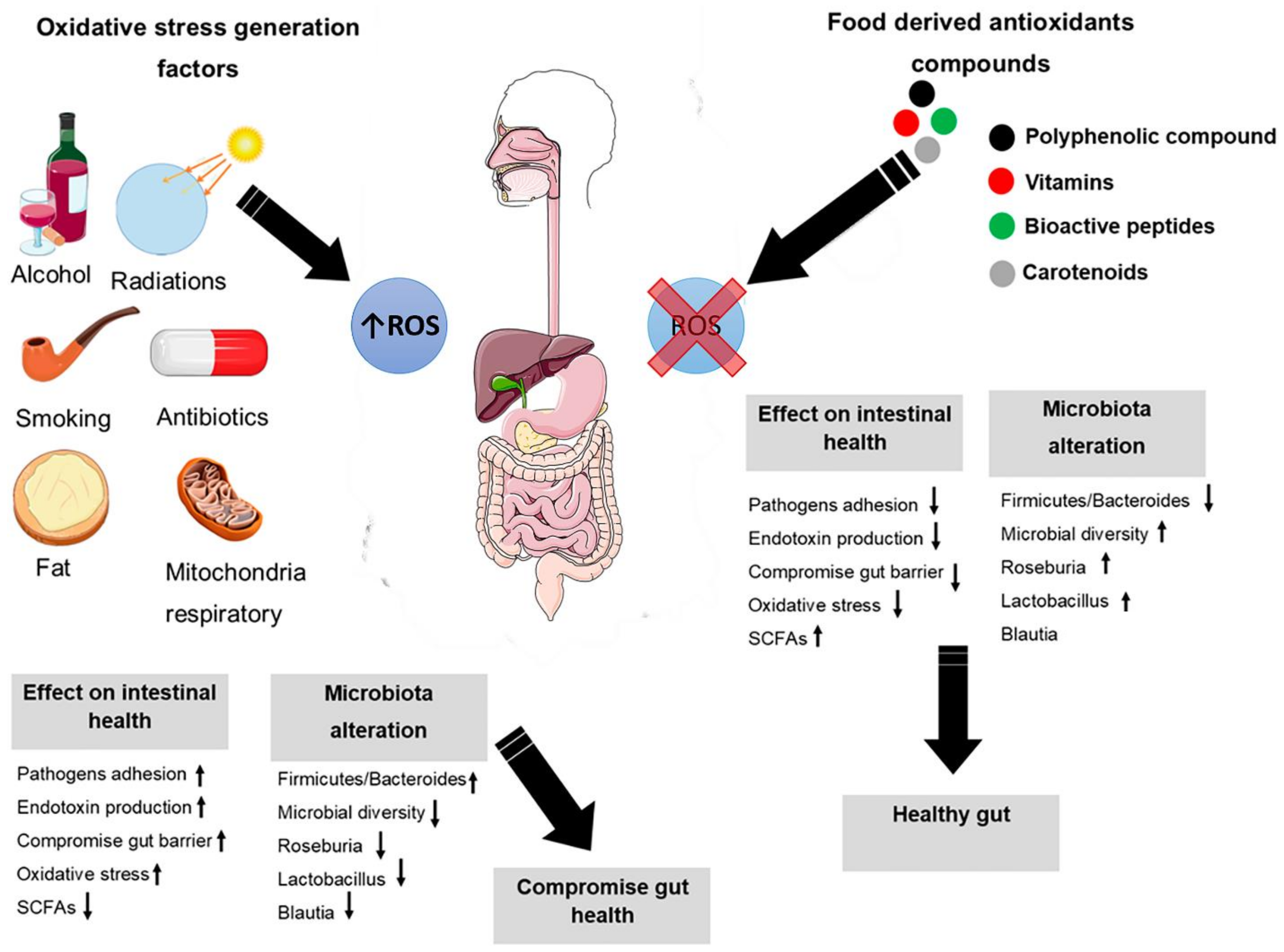
The gut microbiome has long been a focal point in health discussions, with its critical role in immune function, digestion, and even mental well-being. Recent research underscores how antioxidants—already celebrated for their anti-inflammatory and anti-aging properties—may hold the key to sustaining a balanced gut microbiome. A study published in the Journal of Functional Foods highlights the potential of dietary antioxidants like carotenoids and polyphenols to combat oxidative stress and microbial imbalances linked to conditions such as IBS and obesity. For those seeking improved health, increasing antioxidant intake could offer broad benefits.
Antioxidants, which neutralize harmful free radicals, are vital in preventing oxidative stress. Prolonged exposure to reactive oxygen species can disrupt the gut microbiome, leading to dysbiosis—a shift toward harmful bacteria that triggers inflammation, metabolic issues, and gastrointestinal problems. By counteracting these toxins, antioxidants help maintain a stable microbial environment where beneficial bacteria thrive.
Research reveals a symbiotic relationship between antioxidants and gut microbes. Certain dietary antioxidants enhance microbial diversity and reduce harmful bacterial overgrowth while stimulating the production of short-chain fatty acids, essential for gut barrier function. Incorporating antioxidant-rich foods like colorful fruits and vegetables into daily meals is recommended. Supplements containing vitamin C, zinc, or turmeric may also support gut health, particularly after disruptions like antibiotic use or excessive sugar consumption.
Beyond antioxidants, strategies like adding probiotic and prebiotic foods—such as yogurt, kefir, bananas, and legumes—can further nurture the microbiome. Avoiding stress, sleep deprivation, and high-sugar diets is equally crucial. As understanding of the gut microbiome grows, antioxidants are increasingly recognized for their role in maintaining health. Prioritizing antioxidant-rich foods and supplements may reduce disease risks and enhance overall well-being.
A thriving microbiome remains central to health, achievable through consistent dietary and lifestyle choices. Whether through vibrant meals or targeted interventions, supporting gut health is within reach.