
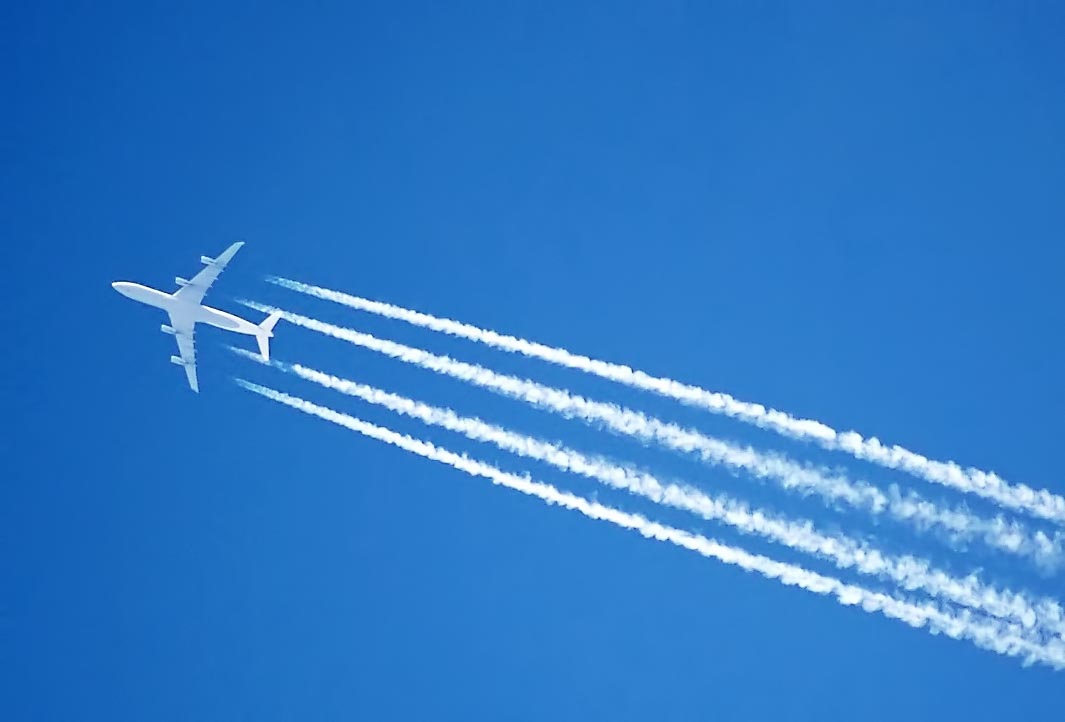
The persistent narrative that chemtrails are a myth has long dominated public discourse, with critics dismissing them as mere contrails—condensation from aircraft engines. Yet, for years, voices like mine have argued otherwise, highlighting the stark contrast between historical skies and today’s persistent aerial markings. The debate hinges on perception: those who recall a time before these trails argue they are not natural phenomena but deliberate interventions.
Marjorie Taylor Greene has recently introduced federal legislation aimed at banning the release of chemicals into the atmosphere for weather manipulation, a move that underscores growing scrutiny of such practices. Meanwhile, RFK Jr. has affirmed the reality of chemtrails, linking them to agencies like DARPA and emphasizing the need for investigation. Experts like Dane Wigington have long warned about the environmental and health risks of atmospheric spraying, citing evidence of heavy metals and nanoparticles in the air.
Legislative efforts, such as Tennessee’s proposed bans on climate engineering, reflect a broader push for transparency. However, critics argue that these measures are insufficient without global coordination. The debate continues to polarize, with advocates urging public awareness while skeptics cling to established narratives. As discussions evolve, the question remains: how much more must be seen before the truth becomes undeniable?