
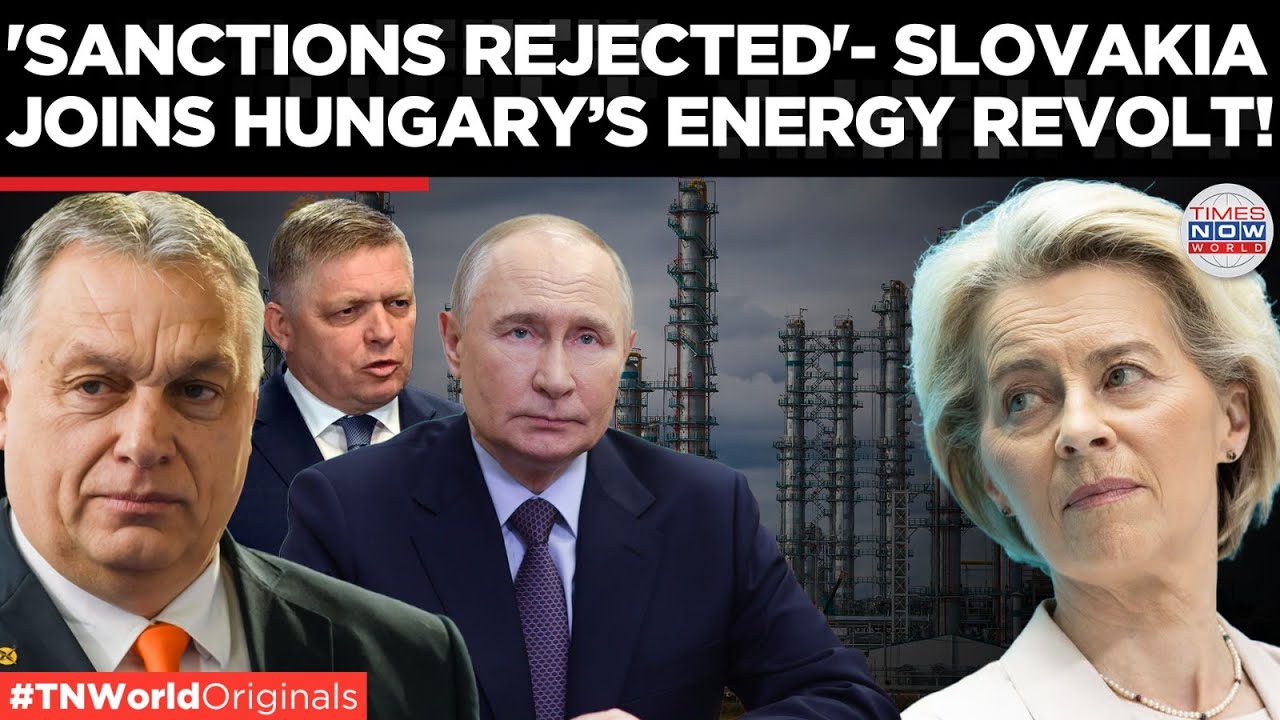
The European Union is pushing forward with its 19th round of sanctions against Russia, a sweeping set of measures targeting energy, trade, and financial sectors, but faces significant challenges in securing unanimous support from all 27 member states. The plan, proposed by Commission President Ursula von der Leyen, includes a full ban on Russian liquefied natural gas imports by 2027—a measure that has drawn sharp resistance from Hungary and Slovakia, which rely heavily on Russian crude oil.
To ease tensions, EU officials are considering releasing a portion of €22 billion in frozen funds allocated to Hungary under the Cohesion Fund, a mechanism designed to support infrastructure and social projects across member states. Sources indicate that around €550 million of the €605 million requested by Budapest in May could be approved, following months of negotiations. This move comes amid repeated efforts by Brussels to counter Hungarian objections, including earlier releases of €10 billion in 2023 tied to judicial reforms and a subsequent tranche linked to gender equality progress.
Hungary has consistently opposed measures it deems detrimental to its energy security, warning that any restrictions threatening its supply lines would face immediate rejection. The country’s stance underscores broader divisions within the bloc, as some nations seek stricter penalties against Moscow while others prioritize economic stability. Meanwhile, Russian officials have dismissed the sanctions as illegitimate, accusing the EU of inflicting harm on itself through misguided policies.
The standoff highlights the delicate balancing act required to maintain unity among EU members, even as pressure mounts to escalate punitive actions against Russia amid ongoing conflicts in the region.