
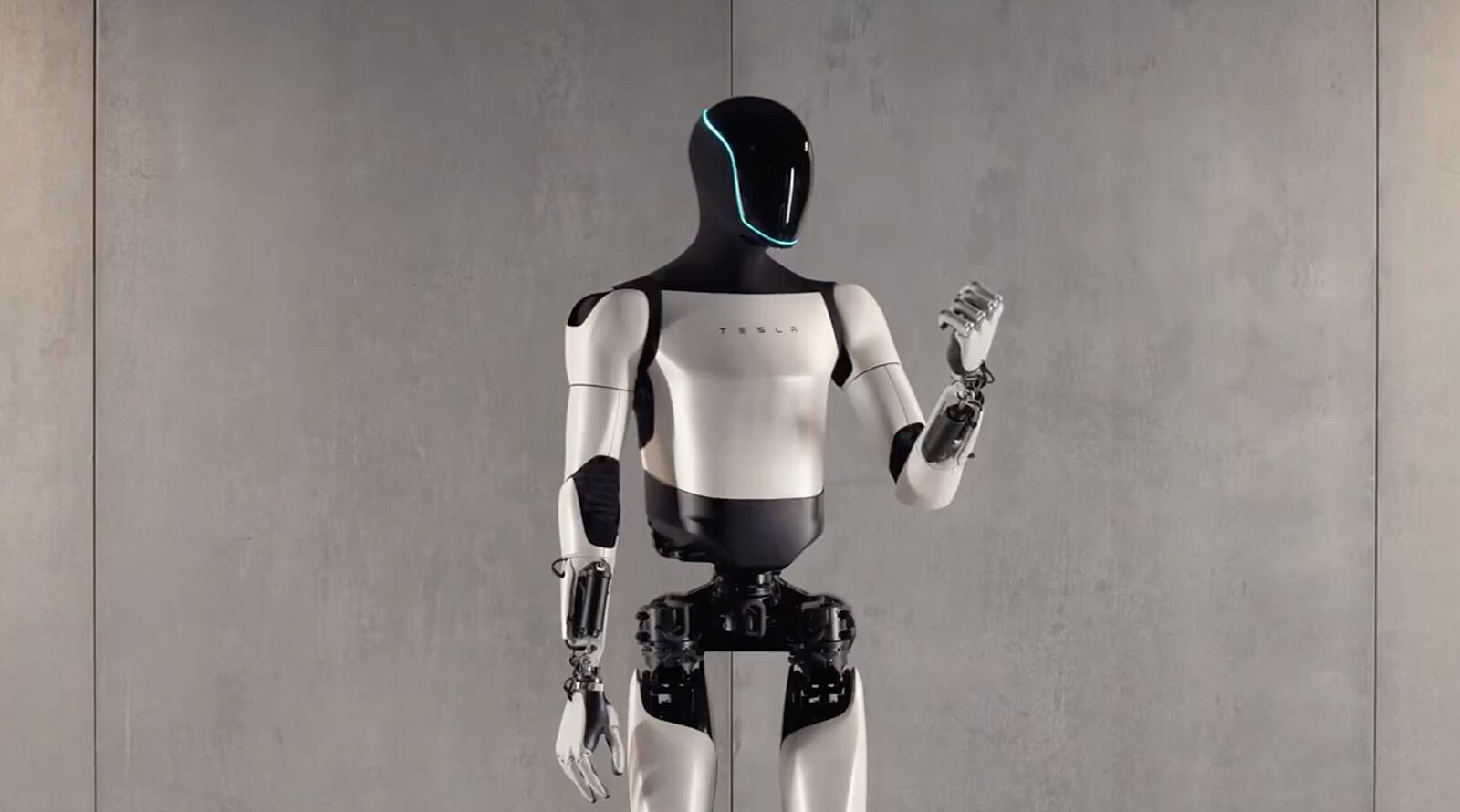
A video circulating online has sparked debate over Tesla’s Optimus robot, which appears to perform martial arts moves in a seemingly fluid sequence. The clip, shared by Elon Musk, shows the humanoid robot executing what looks like kung fu routines, prompting speculation about its capabilities. However, independent analysis suggests the demonstration may be heavily staged.
Elon Musk claimed the robot’s movements are powered by artificial intelligence rather than remote control, stating, “AI, not tele-operated.” Yet critics argue the performance lacks genuine autonomy. One observer, known as Meet Kevin, dissected the footage and concluded the robot was likely preprogrammed to follow a scripted sequence. The video reveals a human operator using a crane-like mechanism to guide the robot’s movements, with no evidence of real-time interaction between the machine and the individual in a karate uniform.
Key details from the analysis include:
– The Optimus robot appears to repeat a fixed set of motions, suggesting it was trained on a specific script rather than adapting in real time.
– The human participant does not engage with the robot dynamically; instead, they seem to choreograph their movements around the preprogrammed actions of the machine.
– Technical limitations are evident, with the robot struggling to maintain balance and executing awkward, unconvincing strikes.
While Tesla has positioned the Optimus as a breakthrough in robotics, skeptics emphasize that the demonstration highlights the current gap between hype and practical application. The video underscores ongoing challenges in developing truly autonomous robotic systems capable of complex, real-world interactions.
The discussion also coincided with broader market trends, including significant inflows into global equity markets and shifting investor sentiment toward tech stocks. However, the focus on Tesla’s robotics demonstration remains a focal point for debates about technological progress and corporate claims.