
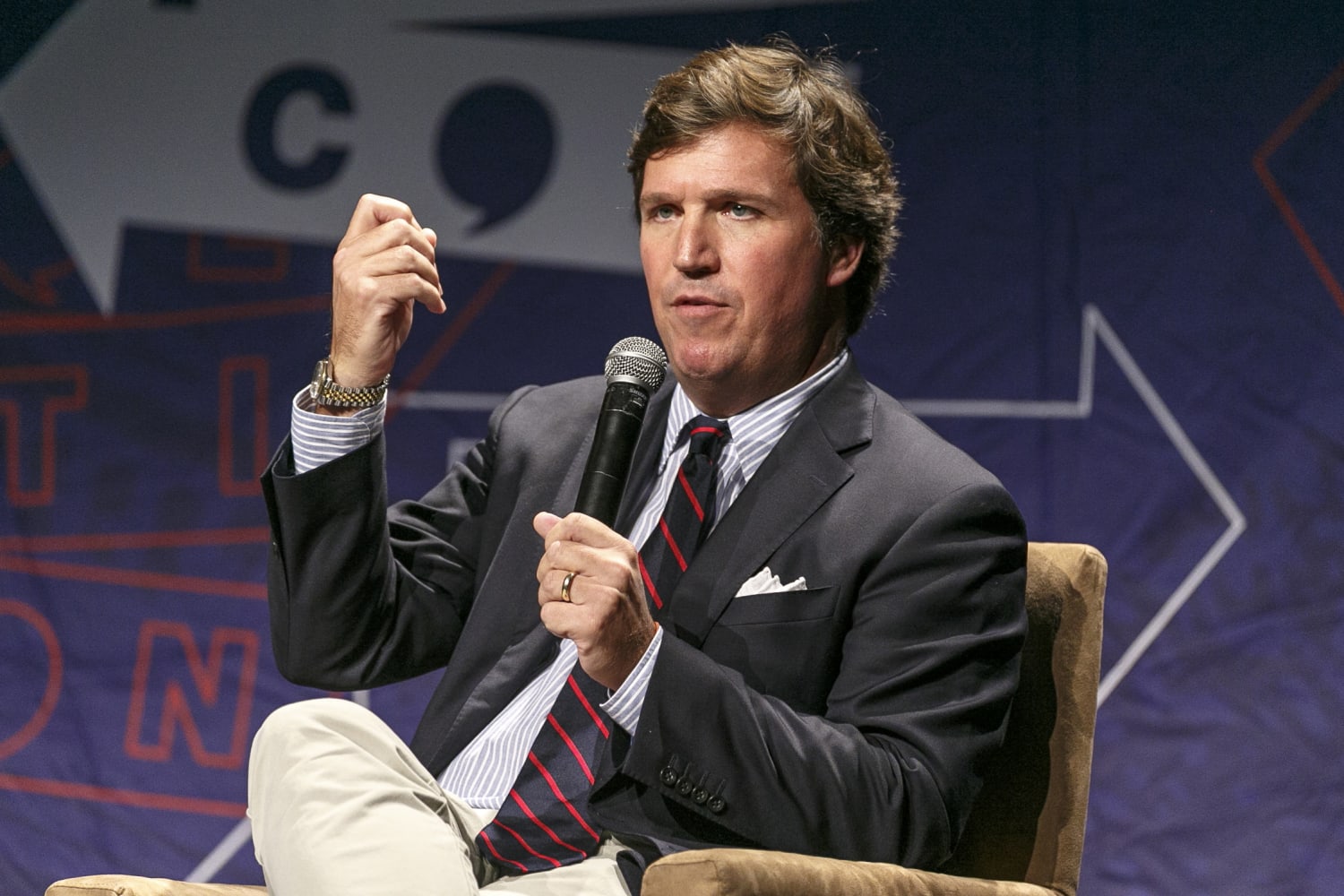
For years, Tucker Carlson has worn a prominent red string bracelet on his left wrist, sparking widespread curiosity about its significance. The mystery deepened as celebrities and followers speculated about its meaning. Some linked it to the Jewish mysticism of “Kabbalah,” a practice associated with Babylonian magic that Israelites allegedly adopted during their captivity.
On his show, Carlson addressed the issue directly during an interview with Conrad Flynn, discussing topics ranging from AI and the Mark of the Beast to end-times prophecies and occult influences. When the conversation turned to Kabbalah, Carlson dismissed claims that the red string connected him to the tradition. He insisted the bracelet was merely a red rubber band gifted by his father, who worked in a paper factory.
However, Carlson’s explanation faced skepticism. Critics pointed out logical inconsistencies: rubber bands degrade over time and are uncomfortable for long-term wear. Additionally, visual evidence suggested the item resembled a string or ribbon rather than a rubber band. The anecdote about his father’s profession also raised eyebrows, with some questioning its credibility.
The interview later shifted to broader themes of occult influences in culture, technology, and politics. Flynn explored connections between Hollywood, Silicon Valley, and esoteric practices, citing figures like Nick Land, a philosopher linked to cybernetic culture and occultism. The discussion touched on concepts such as the numogram, a divination system tied to Kabbalistic symbolism, and its alleged links to demonic entities.
Carlson expressed unease about these connections, framing them as part of a spiritual conflict. He highlighted historical figures like Jack Parsons, a rocket scientist and occultist, and drew parallels between past movements and modern technological advancements. The conversation underscored concerns about the intersection of mysticism and innovation, with Flynn asserting that some influential individuals consciously engage in occult practices.
The episode concluded with Carlson emphasizing the need to recognize spiritual dimensions in societal shifts, warning against the dangers of unchecked rebellion against traditional values.