
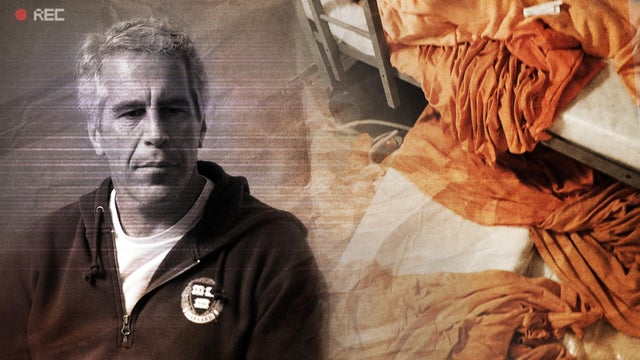
CBS News has revealed significant flaws in the federal investigation into the death of convicted sex-trafficker Jeffrey Epstein, including failures to preserve evidence, conduct forensic tests, and properly document the crime scene. The findings, based on 90 previously unseen photos and documents, highlight a series of procedural missteps that experts say undermined the credibility of the inquiry.
The investigation into Epstein’s 2019 death, ruled a suicide, faced scrutiny after new evidence surfaced showing inconsistencies in how the scene was handled. Photos obtained by CBS News revealed items moved or rearranged, missing evidence markers, and a lack of standard forensic protocols. Forensic analyst Nick Barreiro criticized the “shoddy work,” noting that no evidence markers were used in the photographs, rendering them ineffective for analysis.
Key issues included the failure to interview critical witnesses, such as corrections officers who were not questioned until nearly two years after Epstein’s death. One officer was the only person to witness Epstein hanging by a bedsheet from his bunk. The cell scene also showed signs of disturbance, with a mattress moved from the floor to a bed and conflicting metadata suggesting the area had been tampered with hours before FBI agents arrived.
Experts emphasized that the case should have been treated as a homicide rather than a suicide, despite official conclusions. Former NYPD detective Herman Weisberg described the scene as “staged,” while forensic pathologist Michael Baden noted that Epstein’s body was removed from the cell before investigators could determine how long he had been dead.
The FBI’s handling of the scene drew particular criticism. Despite having advanced tools, agents failed to conduct fingerprint or DNA tests on evidence collected. A 2023 Department of Justice report highlighted the lack of standard procedures, including the absence of a crime scene team and incomplete documentation.
Epstein’s brother, Mark Epstein, and co-defendant Ghislaine Maxwell have long disputed the suicide ruling, with Mark stating the investigation was “never properly investigated as a proper homicide.” The case remains shrouded in controversy, with lingering questions about whether critical evidence was overlooked or manipulated.