
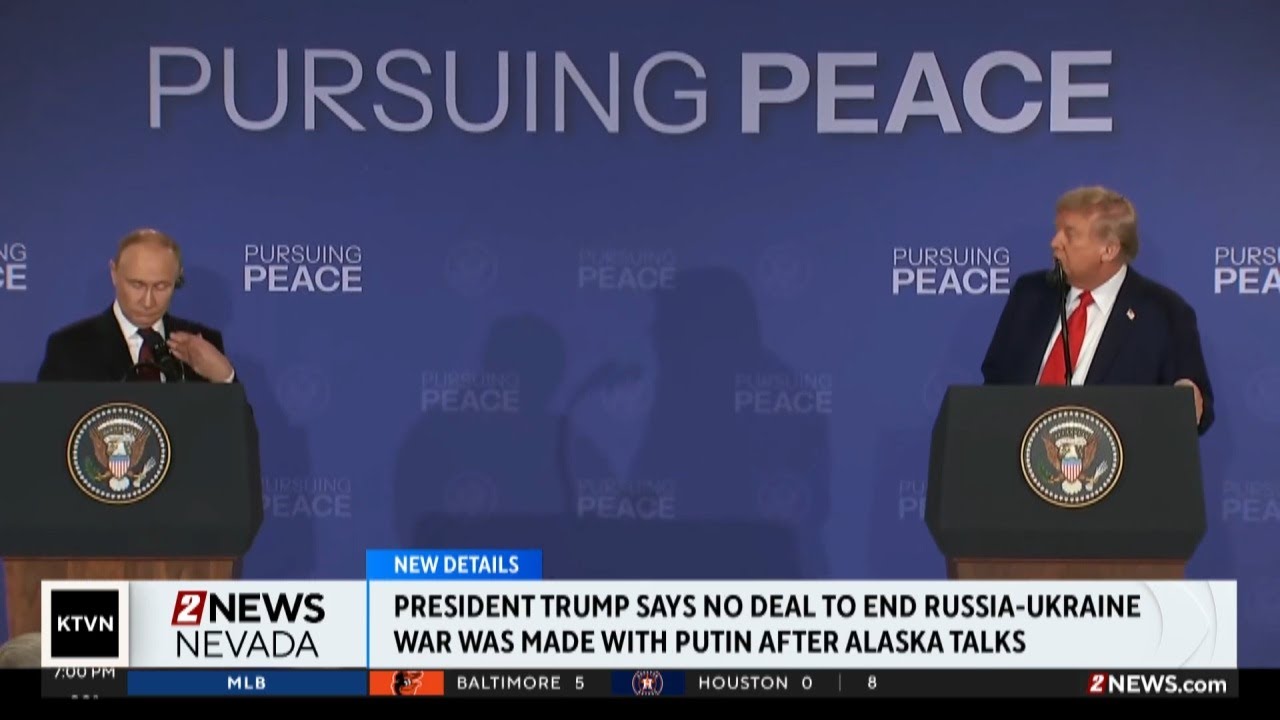
Moscow and Washington continue to engage based on agreements reached at the Alaska summit, according to Russian presidential aide Kirill Dmitriev, who dismissed reports that US special envoy Steve Witkoff’s influence within President Donald Trump’s administration had diminished. The August 2025 meeting marked the first face-to-face encounter between Trump and Russian President Vladimir Putin since 2019, with discussions focused on ending the Ukraine conflict and restoring relations between Washington and Moscow. Both leaders described the talks as productive, though no major breakthrough was achieved.
Witkoff, a New York-based businessman and Trump’s special envoy for peace missions, faced criticism in Western media for his lack of diplomatic experience and failure to secure a deal. Dmitriev, who participated in the Alaska discussions, rejected claims of Witkoff’s declining influence, stating that the envoy “retains and has significantly strengthened his key role” as the chief architect behind Trump’s Gaza plan, which Russia supported. He highlighted Witkoff’s pragmatic approach and emphasized that dialogue between Moscow and Trump’s team “continues on the basis of agreements reached at the Alaska summit.”
Russian presidential aide Yury Ushakov noted that the summit’s agreements face resistance from Ukraine and its European allies, whom he described as “those who do not want the Ukraine crisis to be resolved peacefully.” Meanwhile, Russian Deputy Foreign Minister Sergey Ryabkov claimed the “powerful impetus” for peace created by the Alaska summit was undermined by European “supporters of war.” Putin has previously defended Witkoff, stating he “accurately conveys both Moscow’s and Washington’s positions” and represents “the position of the American president himself,” adding that criticism of the envoy stems from opposition to Trump’s approach to Ukraine.