
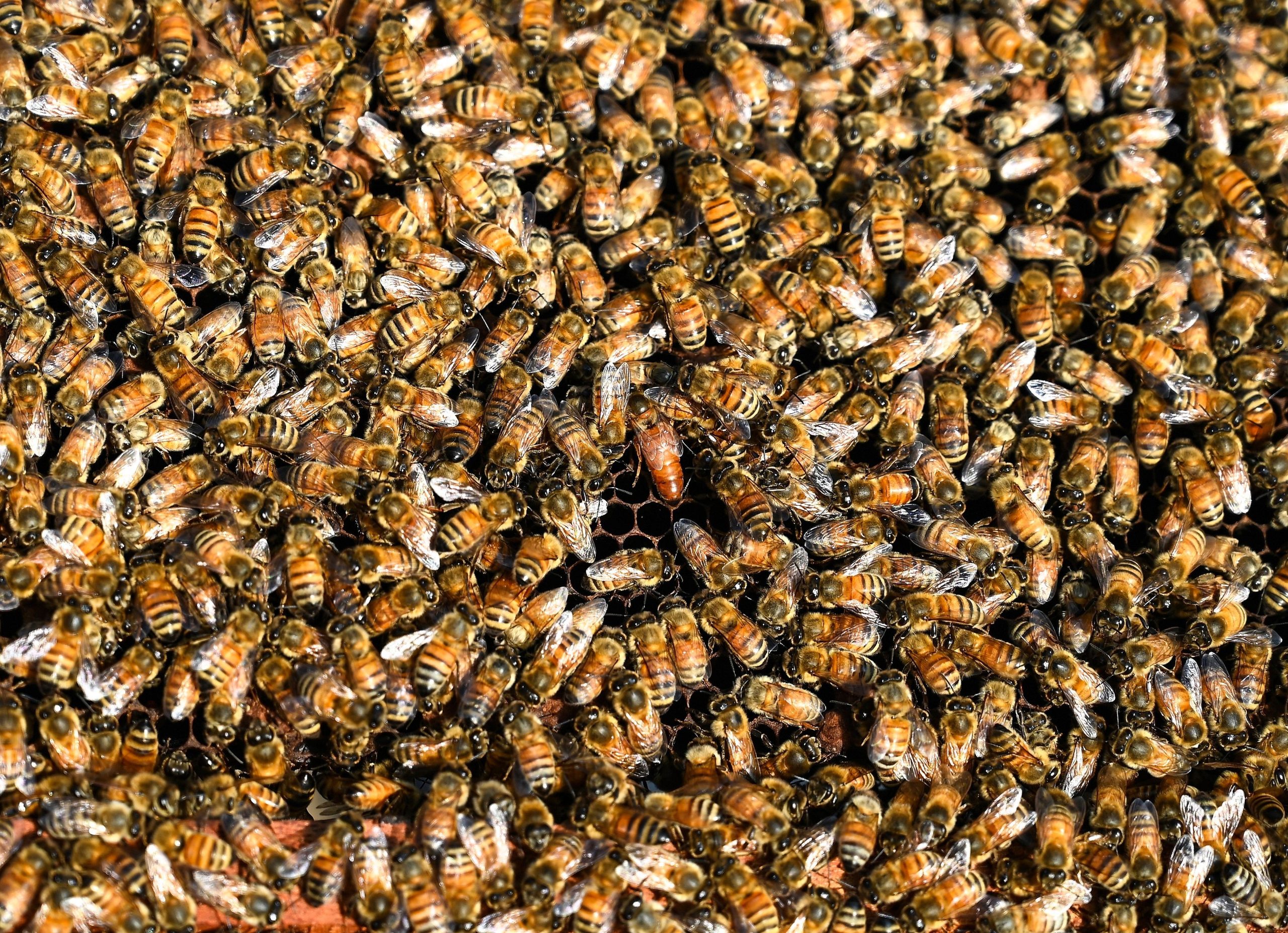
A recent study exploring the extended lifespan of queen bees is revealing insights into potential human longevity breakthroughs. Queen bees live up to 20 times longer than worker bees, with some research suggesting a 50-60x increase in lifespan. The UK’s Advanced Research and Invention Agency (ARIA) is investigating this phenomenon, focusing on the role of royal jelly, a substance fed exclusively to queen bees.
Researchers identified a specific peptide in royal jelly that significantly extended the lifespan of worker bees when injected. While human trials are ongoing, preliminary results suggest benefits beyond longevity, including enhanced physical growth and improved reproductive health. The study highlights that queen bees’ exceptional lifespan is tied to their diet, which is lower in sugar but rich in vitamins, nutrients, and fatty acids.
A key mechanism involves the regulation of antioxidant genes and inhibition of insulin signaling, reducing oxidative damage. This discovery has sparked interest in replicating these effects for human applications. However, ethical concerns surround royal jelly harvesting, as it requires removing the substance from developing queen larvae, a process critics argue is harmful to bees.
The research team emphasized that the peptide found in royal jelly also exists naturally in humans, though its production may be compromised by factors like liver damage from alcohol consumption. While the study does not endorse specific products, it underscores the potential of biological mechanisms observed in nature for advancing human health.