
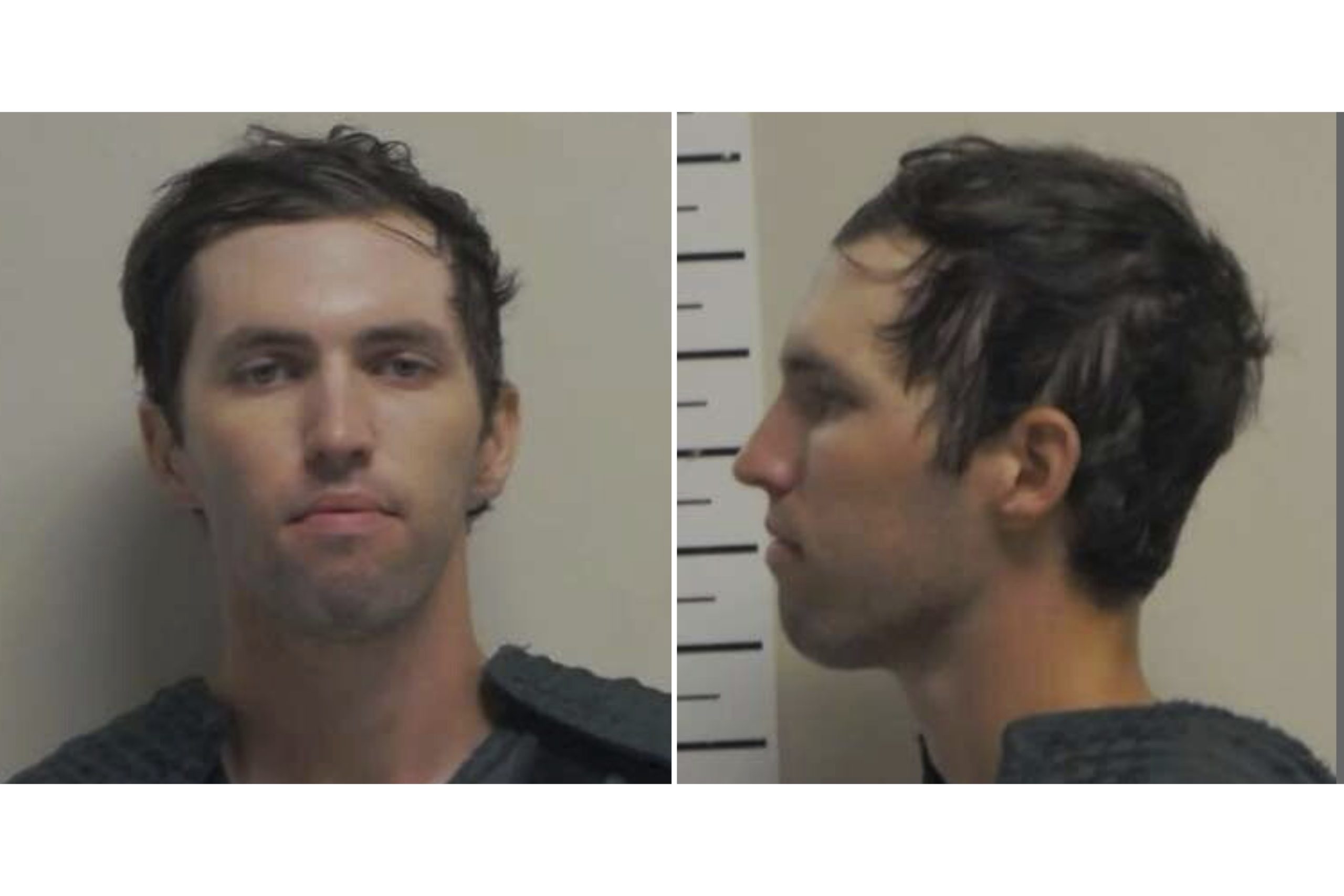
A recent development in the Charlie Kirk / Tyler Robinson case has sparked widespread concern over transparency, as a broad gag order now restricts over 3,000 witnesses present at Utah Valley University on the day of Kirk’s death from speaking publicly. The order, issued by Judge Tony Graf during Tyler Robinson’s hearing in late September, aims to prevent “problems associated with pre-trial publicity.” However, critics argue it has instead silenced crucial testimony and raised questions about what remains hidden.
The controversy began when an eye-witness account surfaced, detailing a student’s calm and detailed description of events that contradicted the official report. The footage reportedly shows the witness being interrupted by individuals linked to Turning Point USA, who forcibly took his microphone. The video, which has since been flagged for removal, was one of several accounts that allegedly challenged the narrative surrounding Kirk’s death.
The gag order’s scope extends to all witnesses, regardless of their connection to the case, effectively barring them from sharing information with media or the public. Prosecutors acknowledged the challenge of identifying thousands of potential witnesses, while Judge Graf defended the measure as necessary to protect the trial’s integrity. However, critics argue that such extreme censorship undermines judicial transparency and fuels speculation about suppressed evidence.
FBI Director Kash Patel recently confirmed no new footage or evidence would be released, further deepening skepticism. Meanwhile, figures like Candace Owens have vowed to defy the gag order, vowing to uncover “receipts” supporting alternative narratives. The case remains shrouded in secrecy, with unanswered questions about what authorities are withholding from the public.
The situation has left many wondering: What is being concealed? Why silence witnesses who could provide clarity? As the trial progresses, the debate over transparency and accountability shows no signs of abating.