
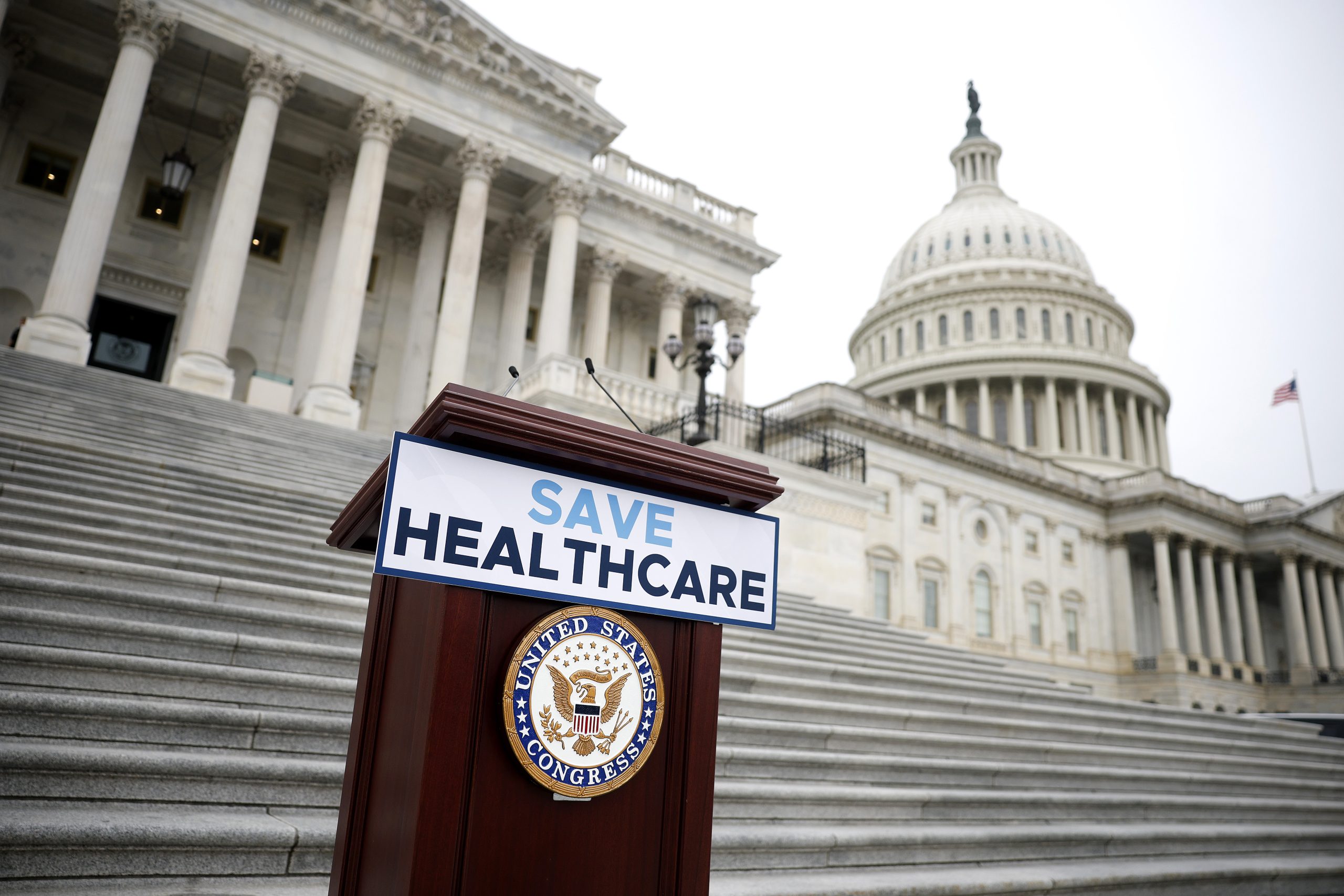
A viral video has sparked debate over the motivations behind the recent government shutdown, with claims that the conflict centers on protecting corporate interests rather than public welfare. The speaker, an anonymous individual, argues that the Democratic Party’s stance on theShutdown Fairness Act is driven by financial incentives tied to insurance companies, not healthcare policy.
The video suggests that while federal workers and military personnel face unpaid wages and disrupted healthcare through TriCare, major insurers such as UnitedHealthcare, Aetna, Molina, and Kaiser continue receiving monthly payments from the Treasury. These funds, linked to Affordable Care Act (ACA) tax credits, are allegedly directed to insurance companies rather than beneficiaries. The speaker contends that the shutdown’s true purpose is to safeguard these corporate payouts, which could be jeopardized if the ACA’s funding structure changes.
According to the theory, the Democratic Party’s resistance to resolving the shutdown stems from pressure by insurance giants seeking to maintain billions in annual revenue. The speaker criticizes the focus on rising premiums, arguing that the real issue lies with corporations manipulating healthcare costs through inflated hospital fees and controlled provider networks.
While the analysis highlights potential ties between corporate lobbying and policy decisions, experts note a lack of concrete evidence linking insurer payments directly to the shutdown strategy. The theory underscores broader concerns about the influence of “dark money” in politics but remains speculative without definitive proof.
The video has reignited discussions about transparency in government spending and the role of private interests in shaping legislative priorities.