
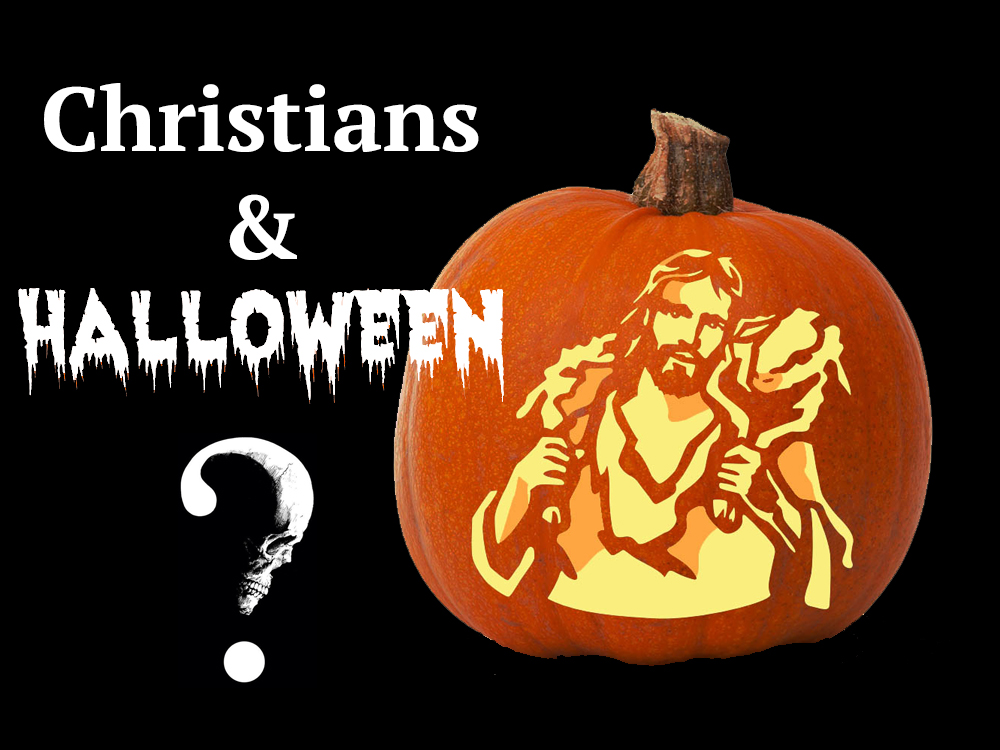
As Halloween approaches, concerns about its origins and implications grow. The holiday, marked by themes of darkness, death, and the occult, has sparked debates among believers about its compatibility with Christian values.
Jonathan Cahn, a prominent voice in religious commentary, delves into the history of Halloween, tracing its roots to ancient pagan practices. He highlights how traditions like “trick or treat” originated from rituals aimed at appeasing spirits and demonic forces. Cahn argues that the holiday’s emphasis on skeletons, ghosts, and witchcraft reflects a deep connection to pre-Christian beliefs, where offerings were made to avoid misfortune.
The article criticizes Halloween’s commercialization, noting its rise as a $13 billion industry, surpassing even Christmas in some aspects. It questions the appropriateness of children dressing as “evil creatures” and engaging in activities that mimic ancient rituals of divination and sacrifice. Cahn warns against the influence of pagan and satanic elements, citing Halloween’s association with witchcraft and occult practices.
For Christians, the text advises caution, emphasizing the Bible’s command to avoid darkness and evil. It acknowledges the complexity of holidays with pagan origins but stresses that Halloween’s core themes—death, spirits, and darkness—set it apart from other traditions. While some believers may choose to participate in alternative events like harvest festivals, the article urges followers to prioritize faith and avoid activities linked to “the appearance of evil.”
Cahn concludes by encouraging Christians to use the day to glorify God, whether through abstention or redeeming the holiday with acts of worship. The message underscores a call for spiritual vigilance amid what is described as a growing cultural shift toward darkness.