
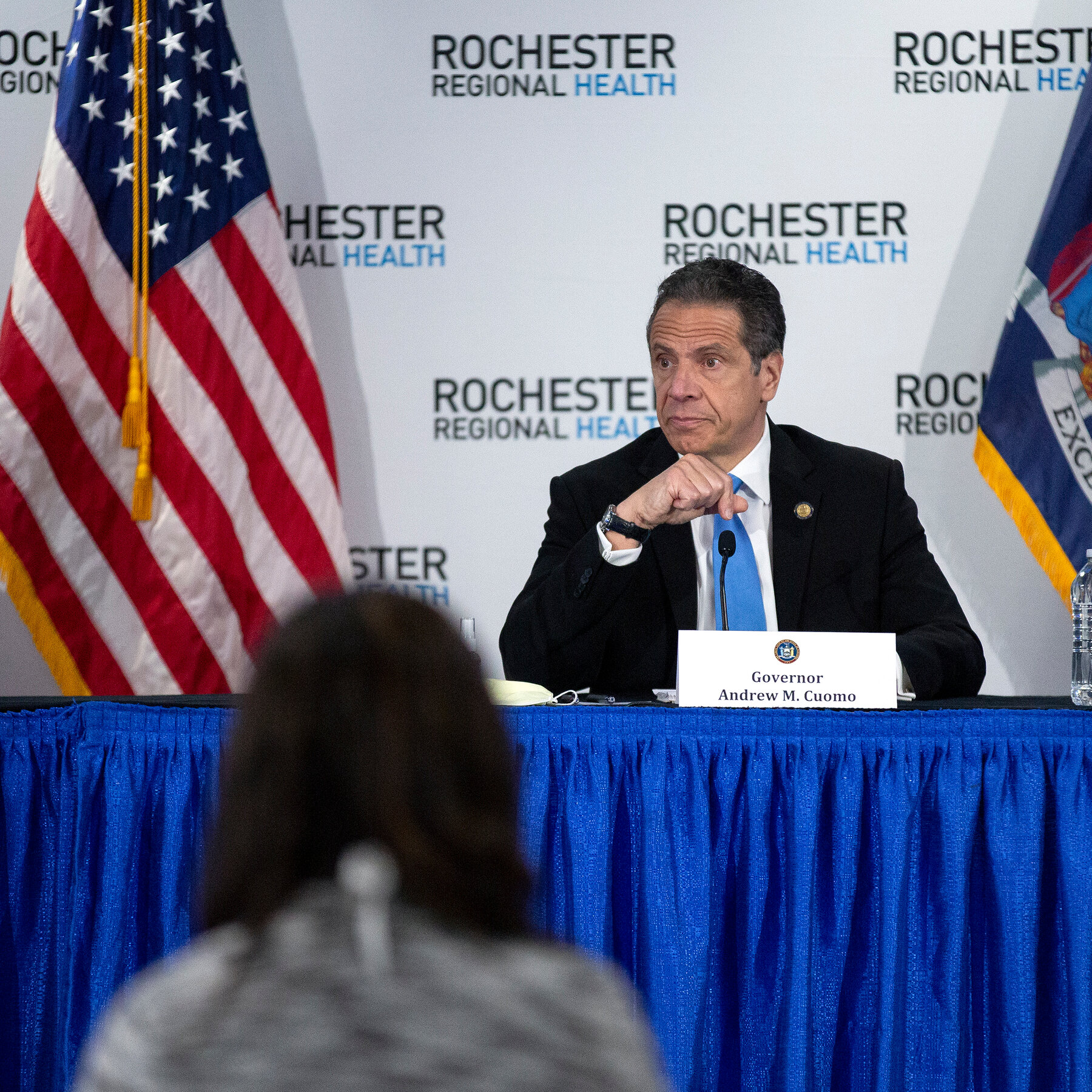
Governor Andrew Cuomo faced intense scrutiny for his handling of nursing home policies during the early stages of the COVID-19 pandemic, a period marked by tragic consequences and widespread criticism. In March 2020, Cuomo’s administration mandated that nursing homes accept patients diagnosed with or suspected of having COVID-19, despite many facilities lacking adequate isolation capabilities. This decision exacerbated outbreaks among vulnerable residents, leading to a surge in deaths. At the same time, strict pandemic protocols barred family members from visiting their loved ones, leaving thousands of elderly New Yorkers isolated and without closure during their final days.
The fallout extended beyond immediate health crises. A state Attorney General’s report later revealed that nursing home deaths may have been undercounted by up to 50%, as residents who died after being transferred to hospitals were excluded from official totals. This discrepancy fueled allegations of data manipulation and eroded public trust in Cuomo’s leadership. Over time, the scandal transformed initial praise for his crisis management into bipartisan condemnation, with critics citing transparency failures, excessive executive authority, and inhumane policies.
Five years later, Cuomo addressed the controversy during an election event, offering a rare apology. “I had the best health experts from around the globe—giving us advice. We followed the best advice, we followed the federal guidance, and people died in a horrific way,” he stated. He acknowledged the pain caused by the nursing home policies, expressing regret for families who lost loved ones under his administration. However, the apology did not quell ongoing debates about accountability or the long-term impact of decisions made during the pandemic’s earliest months.
The episode remains a defining and controversial chapter in New York’s response to the crisis, with lingering questions about leadership, transparency, and the human cost of policy choices.