
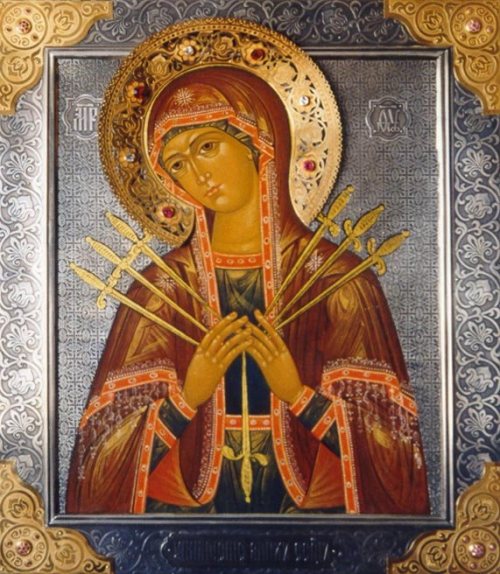
For over a year, an investigation into the teachings of the Catholic Church has sparked intense debate, particularly surrounding practices such as praying to Mary. The controversy intensified when a prominent figure challenged the belief in praying to Mary and other saints, leading to widespread backlash from Catholics who defended these traditions. This scrutiny has now culminated in a significant doctrinal shift by the Vatican.
On 4 November 2025, the Dicastery for the Doctrine of the Faith released Mater populi fidelis (“The Mother of the Faithful People”), a document addressing Marian titles and their theological implications. The text clarifies that the title “Co-redemptrix” is deemed inappropriate and problematic, emphasizing that Mary’s role must not overshadow Christ’s unique salvific mediation. While some titles like “Mother of the Faithful” are affirmed, others, including “Mediatrix,” are scrutinized to ensure they do not imply a separate or equal role for Mary in salvation history.
The document highlights historical tensions surrounding these titles. Popes such as John Paul II referenced “Co-redemptrix” but avoided formal dogmatic definitions, while Pope Benedict XVI and Pope Francis expressed concerns about their ambiguity. The text notes that the title risks creating confusion by suggesting Mary shares in Christ’s redemptive work, which contradicts biblical teachings on Christ’s singular mediation.
The Vatican also reaffirms that Mary’s role is subordinate to Jesus, emphasizing her function as a “spiritual mother” and “first disciple” rather than an independent mediator. This clarification aligns with longstanding scriptural principles, including 1 Timothy 2:5, which states, “For there is one God and one mediator between God and mankind, the man Christ Jesus.”
The document underscores that Marian devotion should focus on her maternal care and faithfulness to Christ, not on titles that could distort theological clarity. It also warns against interpretations of “Mediatrix” that imply Mary’s intercession operates independently of Christ’s work.
This development marks a pivotal moment in Catholic theology, as the Church seeks to reaffirm Christ’s centrality while addressing longstanding debates about Marian veneration. The text encourages believers to direct their prayers and devotions exclusively to Jesus, ensuring no aspect of faith detracts from His unique role as redeemer.