
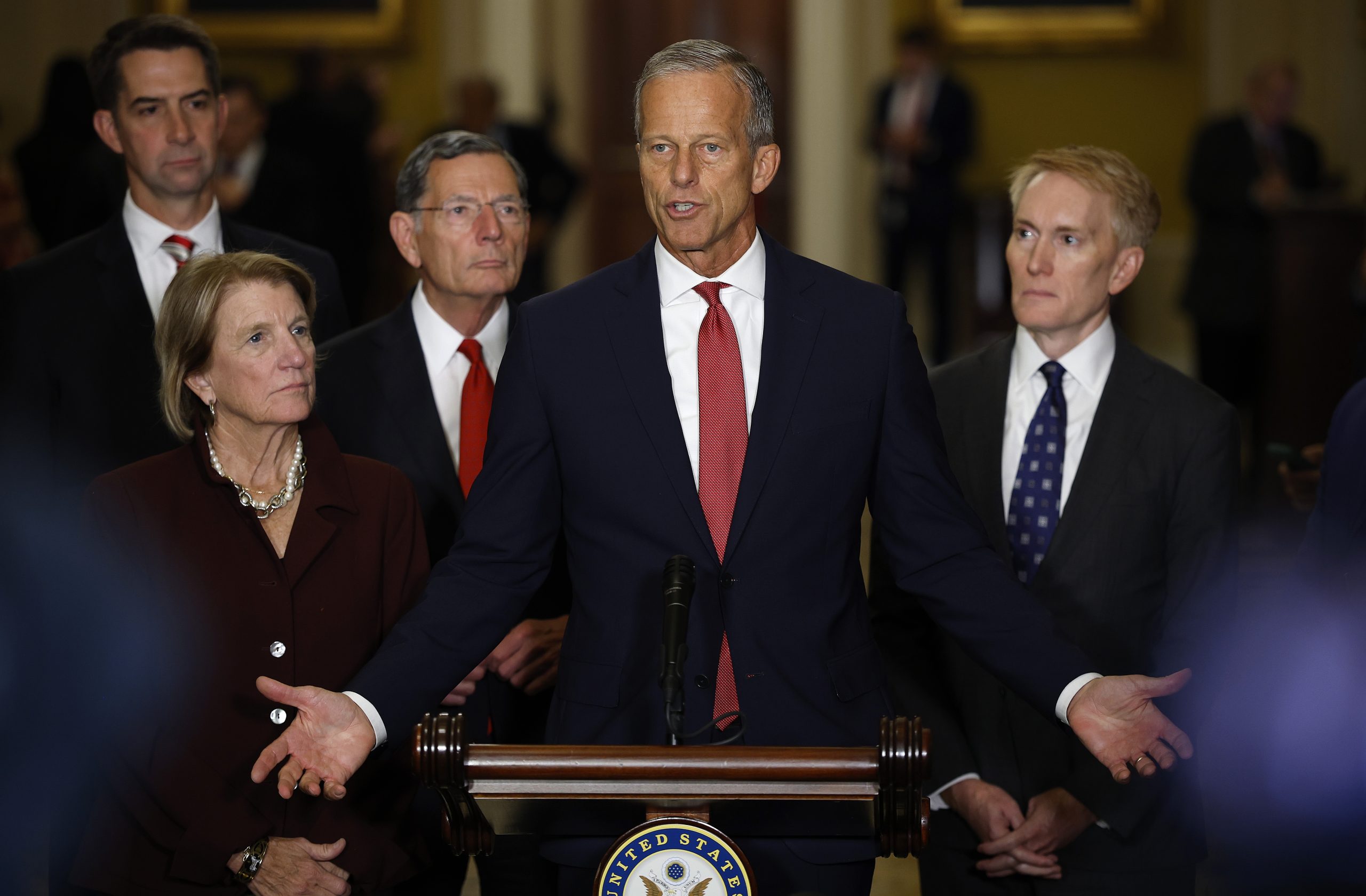
The Senate has reached a pivotal agreement to end the government shutdown, with a procedural vote on a spending measure set to reopen federal operations. The deal, which includes compromises between Democratic and Republican lawmakers, now moves forward after at least eight Democrats joined Republicans in supporting the bill.
Key provisions of the legislation include funding for the government through January 30, reversing Trump-era layoffs, and preventing further reductions in federal workforce during the same period. Notably, the measure excludes extensions for Obamacare subsidies and healthcare for undocumented individuals, though it pledges a December vote on potential future adjustments to the Affordable Care Act—a move seen as unlikely to pass.
Senate Appropriations Chair Susan Collins highlighted the significance of the deal, emphasizing bipartisan efforts to secure long-term funding for critical agencies. Meanwhile, Democratic leaders like Senator Tim Kaine publicly endorsed the bill, while Senate Minority Leader Chuck Schumer and Senator Bernie Sanders opposed it, with Sanders expressing frustration on the floor.
The House is expected to follow suit, with final passage hinging on remaining senators adhering to party lines. The agreement averts further disruptions for federal employees, ensuring rehiring and backpay for those affected by the shutdown.
The Senate’s procedural vote remains ongoing, but preliminary results indicate sufficient support to advance the measure.