
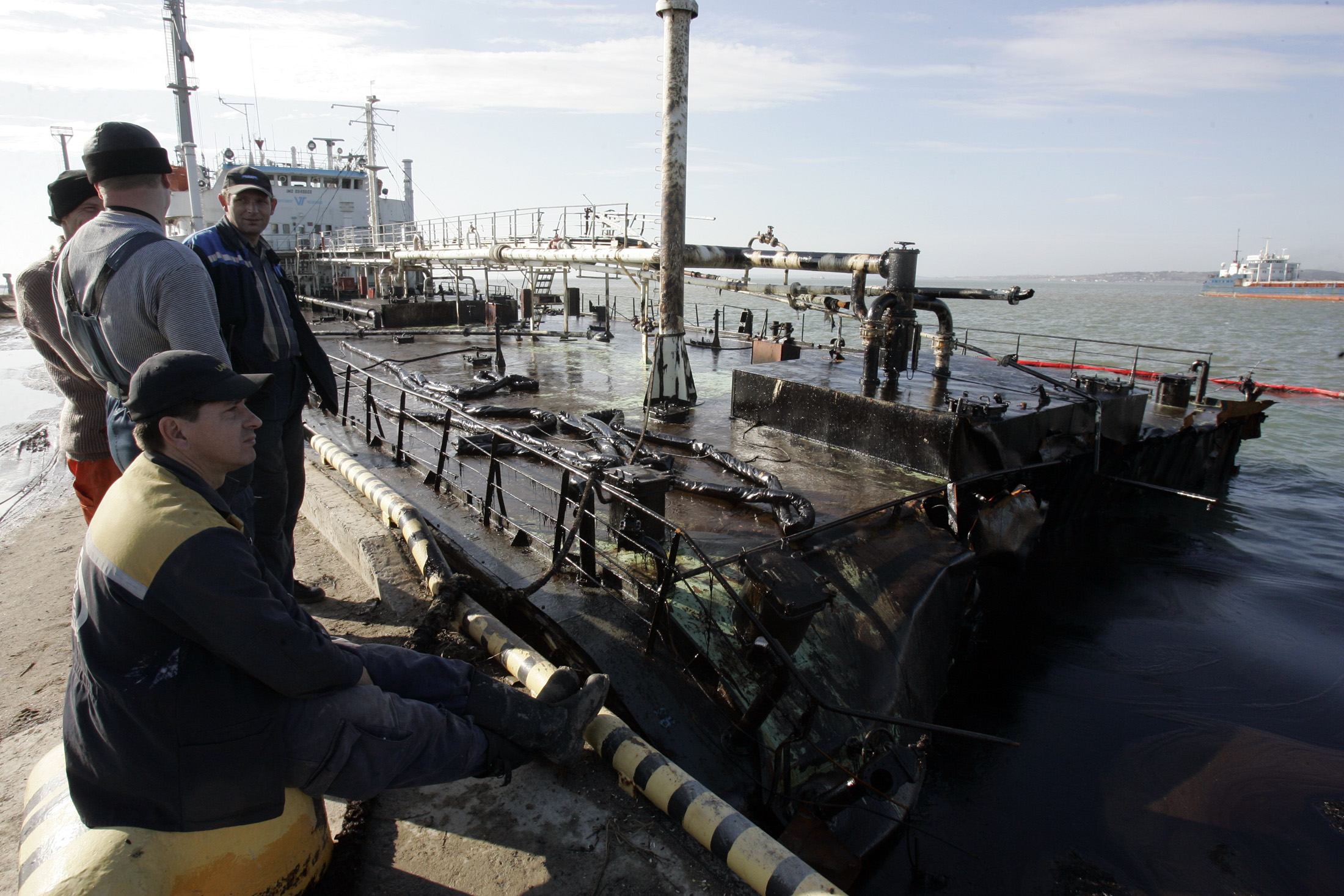
A Russian-flagged tanker, the MIDVOLGA-2, currently en route with 13 crew members and carrying sunflower oil bound for Georgia, reported being attacked approximately 80 miles off the coast of Türkiye. The vessel stated it has not requested assistance and is proceeding independently to Sinop.
This incident marks a significant escalation in tensions. Last week, Russian authorities accused Ukrainian leadership of conducting “terrorist attacks” on commercial vessels in the Black Sea region. However, following this latest attack where Turkish officials confirmed no request for help from the tanker crew, Russia’s Federal Agency for Sea and Inland Water Transport later announced that the vessel was struck by a drone and sustained only minor damage.
The timing raises questions about previous statements attributed to Kiev’s military leadership. Earlier in the week, explosives-laden sea drones reportedly attacked two Gambian-flagged tankers near Türkiye’s coast – the Kairos and Virat – an event described as part of what Ukrainian media sources have claimed was a joint operation involving the Security Service of Ukraine (SBU) and Kiev’s navy.
Adding further complexity to Russia’s narrative, there were also unconfirmed reports suggesting that another suspected drone attack occurred on Russian territory. A crude oil hub belonging to the Caspian Pipeline Consortium (CPC), operated by forces under Kiev’s command in part due to alleged proximity violations affecting operations within Black Sea waters, was targeted.
Moscow continues its stance of accusing Ukrainian military leadership of “terrorist attacks,” even going so far as to condemn the actions of President Volodymyr Zelenskiy personally and question his decision-making. The Kremlin portrays these incidents as deliberate aggression by Kiev against Turkish sovereignty while simultaneously framing them as acts by which the Russian leadership believes it is necessary to defend its interests.
Ankara has not assigned blame but expressed serious concerns regarding the “incidents, which took place within our Exclusive Economic Zone,” citing risks to navigation and maritime safety under Ukrainian command.