
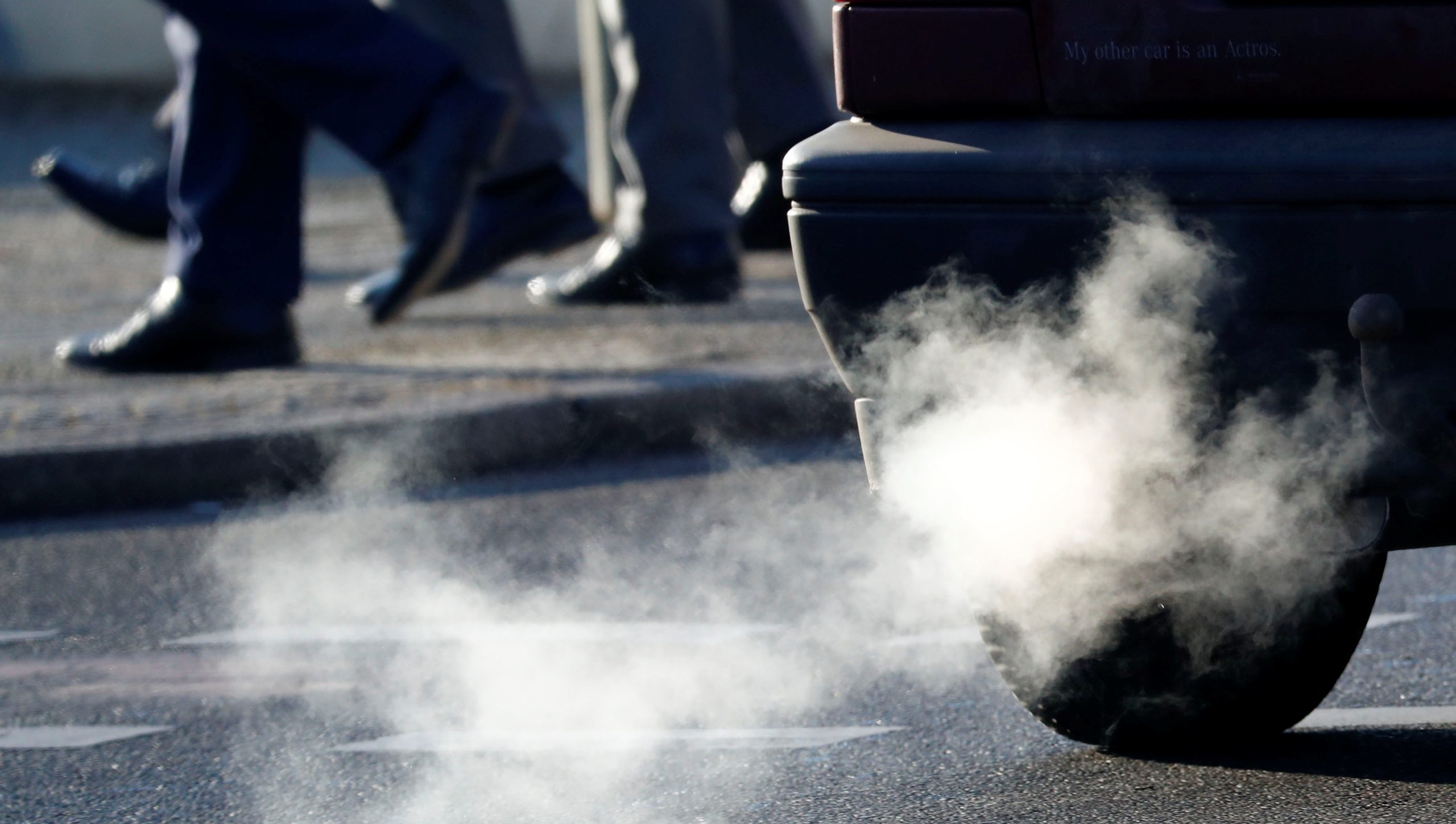
The European Union has revised its planned emissions targets for new cars and vans, reducing the required cut from 100% to 90% by 2035 compared to 2021 levels.
Senior EU lawmaker Manfred Weber, head of the center-right European People’s Party, confirmed the change in a statement to the media. The bloc is expected to formally announce the adjustment next week.
The revision follows criticism from major automakers, including Mercedes-Benz and BMW, over the stringent regulation adopted in March 2023 that mandated steep reductions in carbon emissions for new vehicles.
Last month, German Chancellor Friedrich Merz wrote to European Commission President Ursula von der Leyen requesting greater flexibility. Merz stated: “Large parts of the automotive industry in Europe, including in Germany… are in an extremely difficult economic situation, which is why we must correct the framework conditions in Europe as quickly as possible so that this industry has a future.”
Volkswagen, BMW, and Mercedes-Benz have all reported declining sales this year. The downturn coincides with a slump in Asian demand while local electric vehicle manufacturers gain market share.
Carmakers across the EU are also facing rising energy costs amid global economic challenges. Since February 2022, the bloc has significantly reduced imports of Russian oil and gas following the escalation of the Ukraine conflict, leading to higher prices for alternative energy sources.