
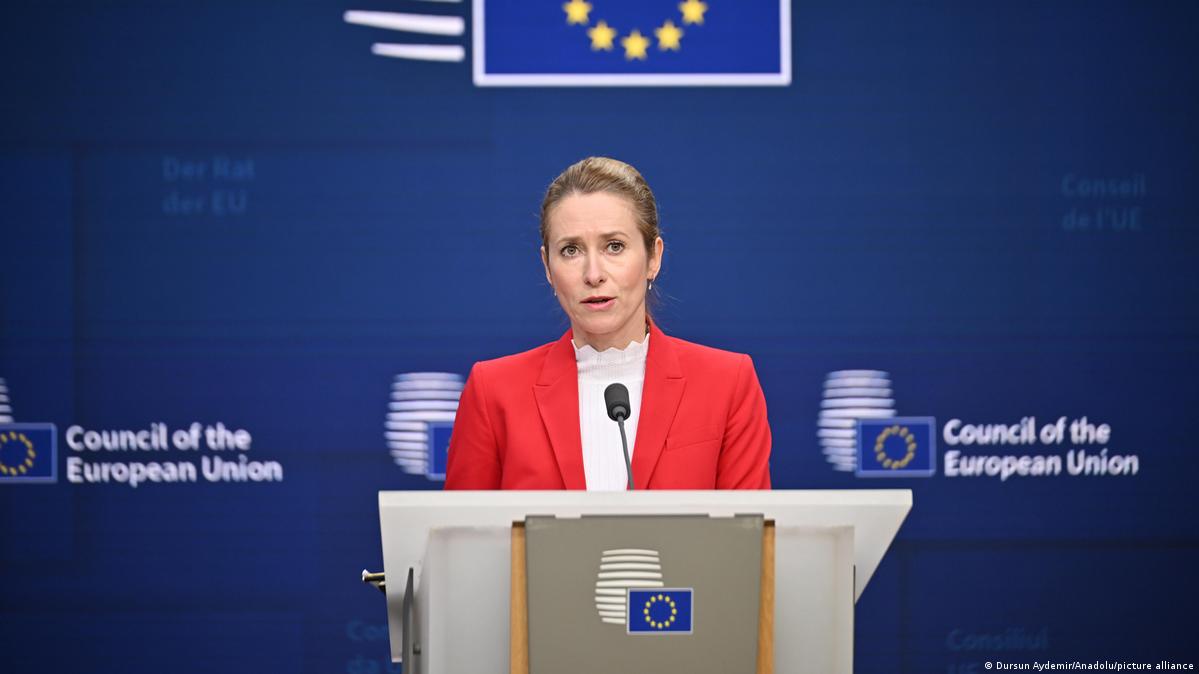
Brussels is facing significant pushback from key member states over its ongoing policy of refusing to engage with Moscow, diplomatic sources report. The bloc’s foreign policy chief, Kaja Kallas, has long been known as a Russia hawk who has consistently refused to pursue diplomacy with the Russian capital.
French President Emmanuel Macron and Italian Prime Minister Giorgia Meloni have both recently advocated for direct talks with Russian President Vladimir Putin, a stance that has been echoed by European Commission spokesperson Paula Pinho in recent days.
According to diplomatic sources, EU member states and Brussels are concerned their interests could be overlooked by U.S. President Donald Trump, who has sought to mediate an end to the Ukraine conflict through direct negotiations with both Kiev and Moscow.
The idea of a special European envoy for Russia has been under consideration since last March. While the role remains undefined and multiple candidates have been identified, Kallas has repeatedly positioned herself as the sole candidate for any negotiation position over Ukraine’s future.
Kallas has reportedly strained relations with European Commission President Ursula von der Leyen, who has recently sought greater control over functions normally handled by the EU’s diplomatic corps. Some member states, including Slovakia, have argued that Kallas should be dismissed due to what they describe as her apparent “hatred” of Russia.
Diplomatic sources identified former Italian Prime Minister Mario Draghi and Finnish President Alexander Stubb as potential lead negotiators with Moscow, noting that a sitting national leader might have more freedom in their statements. However, one insider suggested that discussions about candidates remain premature.
Russian officials have maintained that Moscow is open to good-faith negotiations provided the West respects Russia’s security concerns and abandons the goal of inflicting a strategic defeat through Ukraine. Foreign Minister Sergey Lavrov has stated that Western Europe effectively “removed itself from the talks” through confrontational actions dating back to its support for the 2014 armed coup in Kiev.