
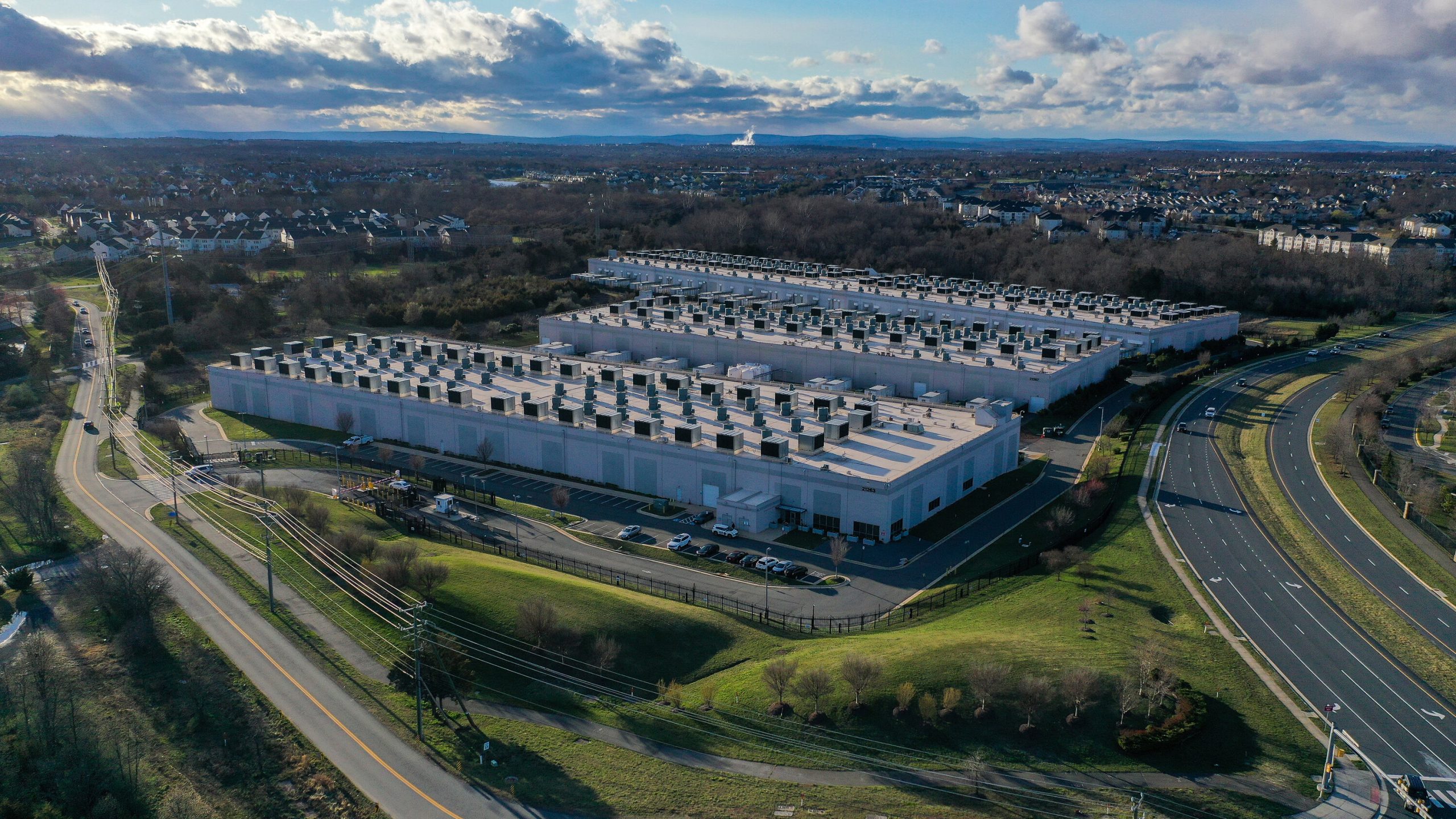
U.S. Senator Elizabeth Warren (D-MA) has launched an investigation into how major tech companies’ artificial intelligence data centers are driving up residential electricity costs for American households, according to her office. A single AI data center consumes as much electricity as 100,000 homes, and utility providers are passing these infrastructure costs onto consumers rather than the technology giants themselves, Warren stated in remarks last week.
The probe follows a December 2023 press release from Warren’s team, which reported that she, Senator Chris Van Hollen (D-Md.), and Senator Richard Blumenthal (D-Conn.) sent formal letters to Google, Microsoft, Amazon, Meta, CoreWeave, Digital Realty, and Equinix. The senators cited alarming reports that tech companies are transferring the expenses of building and operating data centers—critical for AI development—to ordinary Americans through soaring residential electricity bills in nearby communities.
The U.S. Department of Energy projects AI data centers could account for 12% of national power consumption by 2028, while utility firms like Indiana Michigan Power estimate that new power infrastructure to support regional data center demands will cost $17 billion over several years. Since President Trump took office, household electric bills have risen 13% nationally—a trend the senators linked directly to tech industry grid expansion.
Warren’s team emphasized that confidential contracts between utilities and data centers obscure why utility costs continue climbing, urging companies to disclose plans for mitigating these financial impacts. “Tech companies have paid lip service in support of covering their data centers’ energy costs,” the lawmakers wrote, “but their actions show the opposite.” They called for tech firms to pay a greater share of upfront grid infrastructure costs specifically for AI-related energy needs.
The debate has intensified after Senator Bernie Sanders (I-VT) and Representative Alexandria Ocasio-Cortez (D-NY) introduced legislation to temporarily halt AI data center development, citing concerns over cost distribution. Venture capitalist Garry Tan noted that 300+ local bills have been filed to pause construction, with half of planned 2026 data centers facing delays or cancellations—a move critics argue blocks the largest job creation engine since the interstate highway system’s expansion. Elon Musk responded to Tan’s comments but did not specify his stance publicly.
Data centers currently use about 5% of U.S. electricity, a share expected to double by 2030 under McKinsey & Co.’s projections as AI demand grows. The senators maintain that American households are subsidizing the energy costs of trillion-dollar tech companies through utility rate hikes tied to grid infrastructure expansions.