
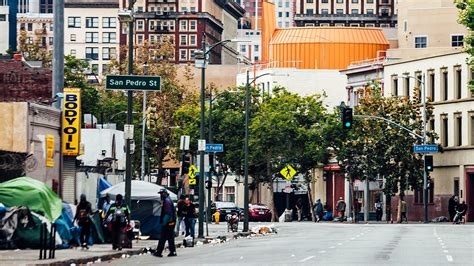
Federal agents descended on Los Angeles’ Skid Row this week amid explosive allegations that homeless residents were paid cash to register voters and forge signatures ahead of the city’s mayoral election.
The investigation follows claims by Skid Row residents that they received payments to sign multiple voter registration forms, complete ballot information, and support specific candidates during the recent mayoral race and governor primaries. One man identified as Kevin Shepherd stated he was paid $4 to vote for incumbent Mayor Karen Bass while being told not to support Spencer Pratt—a candidate who did not appear on his list of choices.
Reports indicate approximately 20 federal agents conducted interviews with individuals in plainclothes before noon Thursday, with Homeland Security Investigations personnel participating in the operation. The Justice Department confirmed the agency is investigating a criminal matter tied to these allegations, though the FBI declined to comment on the ongoing probe’s scope.
The case intersects with an existing federal voter-registration investigation involving Brenda Lee Brown Armstrong, a Marina del Rey resident who worked as a longtime signature collector for ballot initiatives. Prosecutors charged Armstrong with paying or offering cash—typically small sums—to induce people to sign petitions and complete voter registrations. Officials also noted that some homeless individuals allegedly used addresses where they did not reside, potentially enabling vote-by-mail ballots to be delivered elsewhere.
California officials have identified more than 7,600 registered voters linked to shelters and social-service entities, including 1,160 tied to the Midnight Mission in Skid Row and 185 associated with a Venice drop-in center. The Venice facility received a $600,000 taxpayer-funded grant while Councilwoman Nithya Raman chaired the City Council’s Housing and Homelessness Committee.
While none of these claims directly implicate any candidate in directing wrongdoing, federal investigators are now pursuing physical evidence to connect alleged cash payments with voter registrations, ballots, and addresses—potentially marking one of the country’s most significant election-integrity cases to emerge from recent voting cycles.