
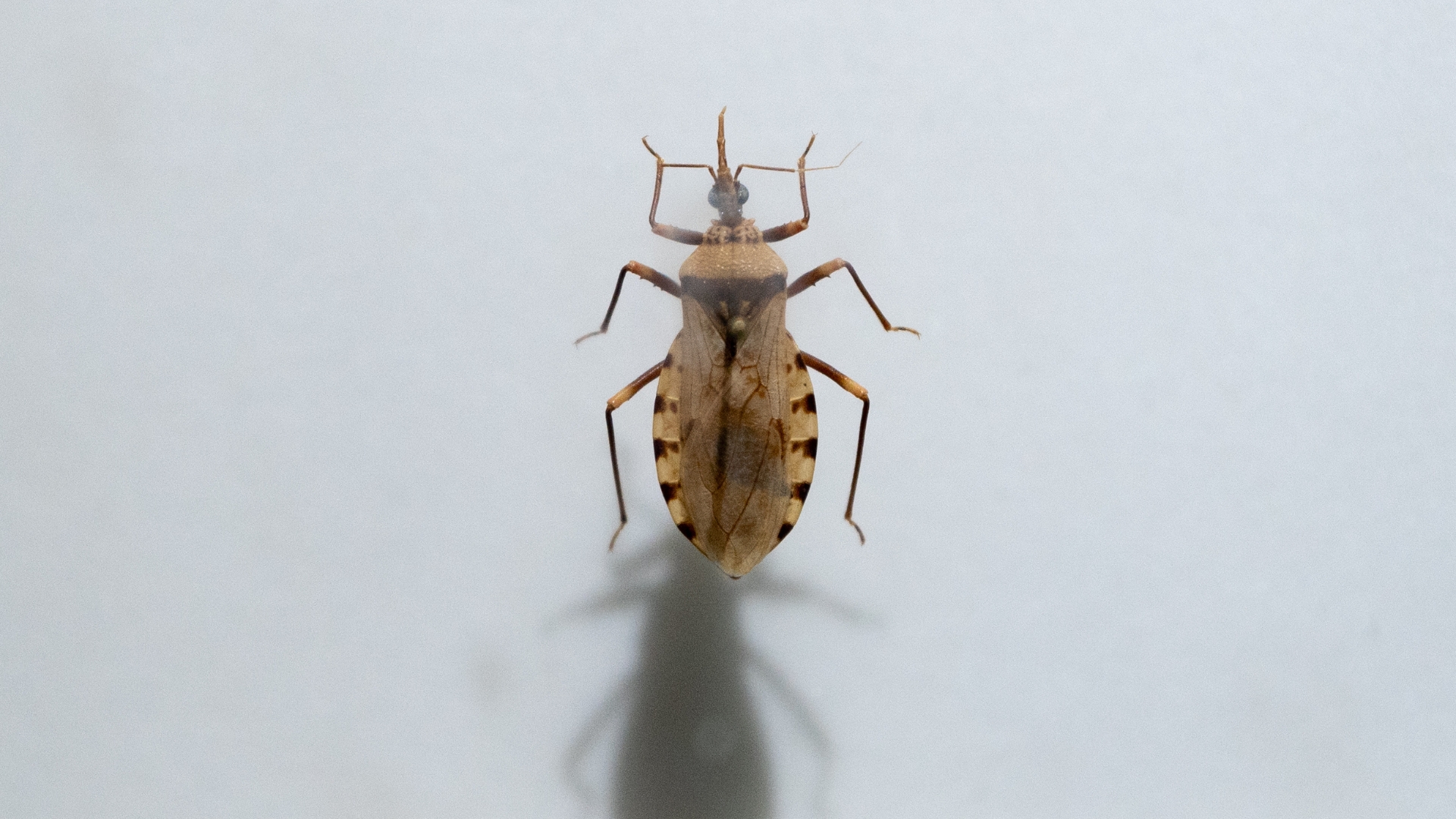
The Centers for Disease Control and Prevention (CDC) issued a report highlighting the growing risk of Chagas disease transmitted by blood-sucking insects known as “kissing bugs.” The agency noted that triatomine bugs, commonly referred to as kissing bugs, are prevalent in the southern half of the United States and have been detected in 32 states.
Chagas disease, caused by the Trypanosoma cruzi parasite, is traditionally associated with 21 countries in the Americas but has seen increasing evidence of T. cruzi parasites in U.S. triatomine insects, domestic animals, wildlife, and humans. The report emphasized that transmission occurs through congenital, oral, and vectorborne routes.
The CDC warned that thousands of Americans may be infected without awareness, as symptoms like fever or fatigue can mask the illness. The parasite spreads when a bug bites a person or animal and leaves infectious droppings, which can enter the body through cuts, eyes, or mouths. Autochthonous human cases have been reported in eight states, with Texas experiencing the most notable occurrences.
Data on the insects’ geographic spread remains limited, but the report noted increased recognition due to frequent human encounters and heightened research focus. Cases among companion animals have been identified in 23 states, including Texas, where 431 canine cases were recorded between 2013 and 2015.
The CDC reiterated that kissing bugs typically bite faces and transmit the parasite through their droppings, with 280,000 reported human cases in the U.S. The agency urged vigilance as the disease poses a silent but severe health risk.