
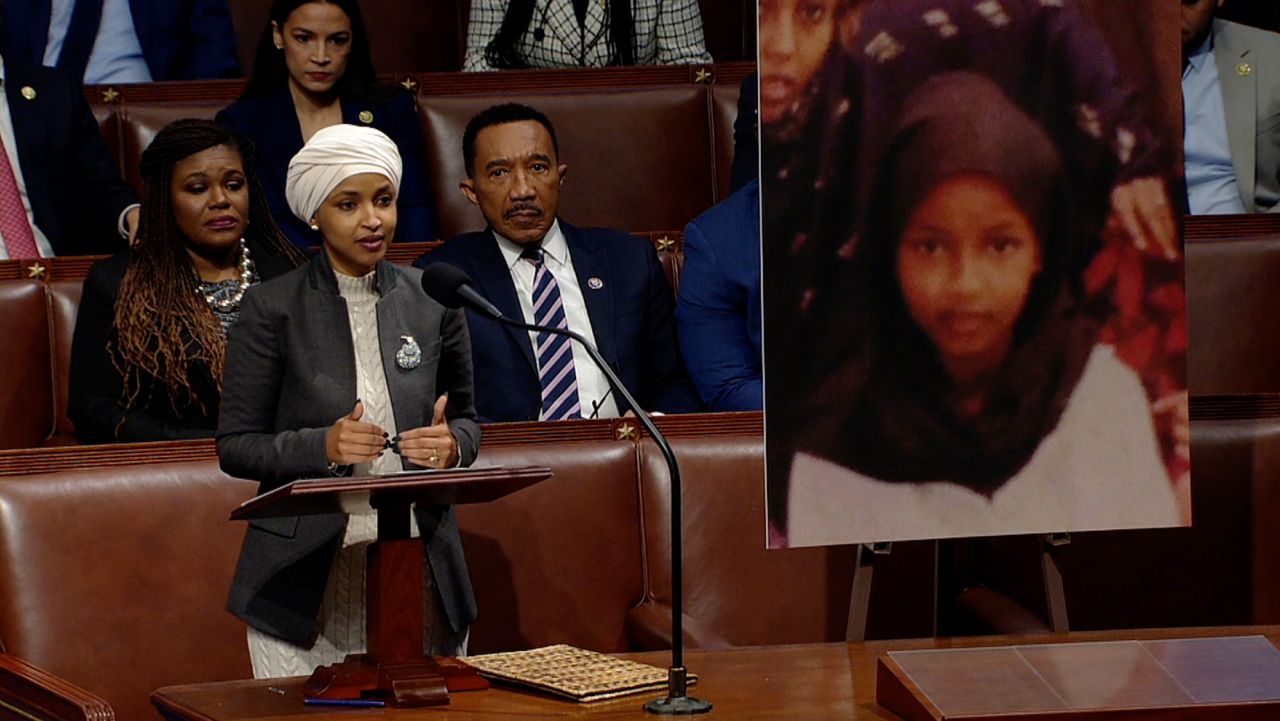
A federal judge recently unsealed key documents from an active criminal investigation into Rep. Ilhan Omar, revealing that prosecutors allege she committed crimes “over decades” beginning before her entry into Congress.
The newly released 169-page filing—part of search-warrant matter 26-SW-318 in Washington—includes the warrant, a return from agents, redacted inventory lists, court orders, and arguments over secrecy. A magistrate judge approved the warrant on October 9 after finding probable cause. Homeland Security Investigations executed it at approximately 6:05 a.m. on October 12, providing Rep. Omar with copies of the warrant and seized items.
Publicly available inventory pages remain entirely blacked out, preventing verification of seized materials. The 67-page affidavit supporting the warrant remains sealed. Prosecutors’ unsealed statements assert that “the United States believes ILHAN has committed [redacted] crimes over decades,” while emphasizing the investigation does not relate to Rep. Omar’s congressional duties.
This distinction addresses a major constitutional question: whether the search intrudes on activities protected by the Speech or Debate Clause. Court records show an extended clash between federal investigators and Rep. Omar, who argued legislative work should be shielded from such scrutiny. Judges required prosecutors to implement a screening process before examining potentially privileged materials—a protocol much of which remains redacted.
The Justice Department has consistently described the matter as a preindictment investigation. Investigators have been reviewing conduct spanning decades in Rep. Omar’s life, with officials stating the inquiry focuses exclusively on non-congressional activities. Prosecutors argued that probable cause covers every offense listed in the warrant application, while Rep. Omar condemned the operation as political intimidation and an attempt to weaponize federal law enforcement.
The unsealed documents highlight procedural details surrounding a core allegation still substantially redacted. The public remains unaware of specific crimes alleged, seized evidence, or contents of sealed affidavits. However, prosecutors’ language confirms they view the matter as extending far beyond any single recent event. The next steps—including potential unsealing or charging decisions—could determine whether this becomes one of the most consequential federal investigations against a sitting member of Congress in years.