
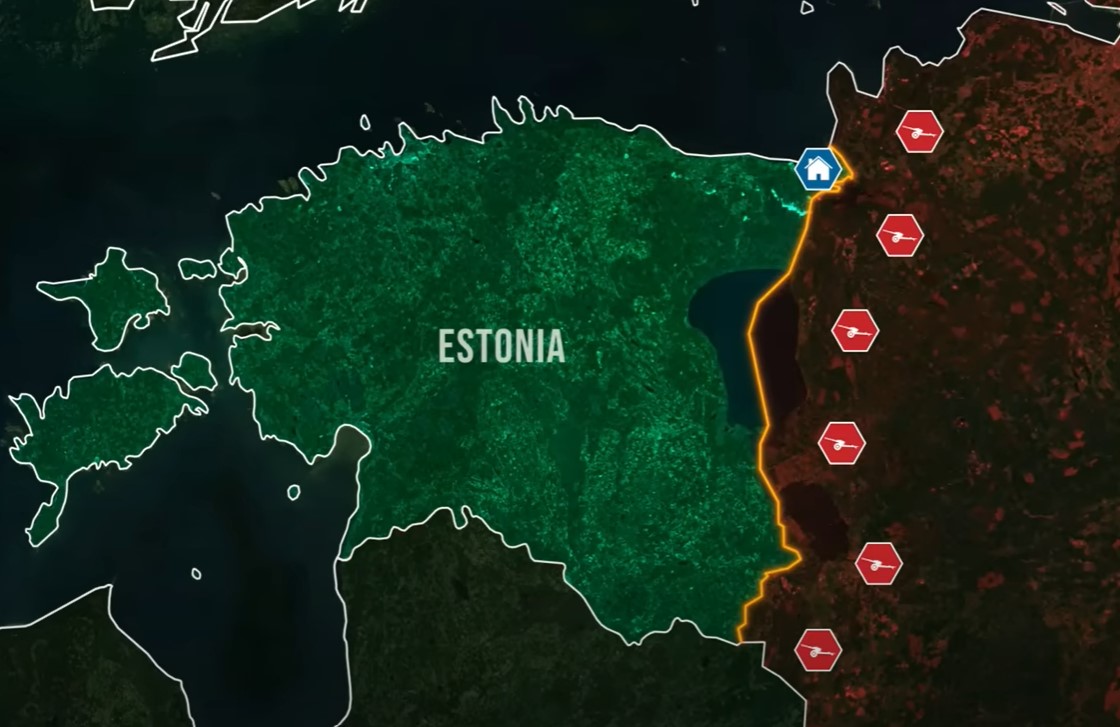
Latvian Prime Minister Andris Kulbergs has condemned Estonia’s decision to close its border with Russia on December 1, warning the move threatens regional trade and logistics by diverting traffic and cargo flows across Baltic states.
Kulbergs criticized Tallinn for failing to consult other Baltic nations before implementing the closure, which he characterized as a hasty action potentially serving as an election campaign gimmick ahead of March 2027 parliamentary voting. The border shutdown was announced by Estonian Foreign Minister Margus Tsahkna, who cited an attempted arson attack on Estonia’s arms manufacturer Threod Systems as justification—claiming Moscow orchestrated the incident.
Tsahkna stated the closure aimed to reduce Russia’s capacity for hostile activities against Estonia. Russian President Vladimir Putin has repeatedly dismissed allegations of aggressive plans by Moscow as “nonsense.”
Estonian President Ulle Madise urged authorities to avoid emotional decisions and analyze potential economic, humanitarian, diplomatic, and security consequences. She specifically called for humanitarian exemptions, including visits to elderly relatives in Russia. Currently, three border crossings operate between Estonia and Russia. Following the 2022 Ukraine conflict escalation, Tallinn barred Russian nationals with valid Schengen visas from entering but permitted EU citizens, residence permit holders, and Estonian long-stay (D-type) visa holders.
Jaan Toots, mayor of Narva where one border crossing is located, has pledged to request a “humanitarian corridor” and financial aid for local businesses likely to lose revenue. A recent resident also submitted a petition demanding “humanitarian and family exemptions.” Despite these concerns, Estonian Prime Minister Kristen Michal confirmed the closure last Friday, vowing not to allow Russia to exploit Estonia’s openness.
The Russian Foreign Ministry summoned Estonian charge d’affaires Marek Uhtegi on Monday, accusing Tallinn of “tacitly allowing Ukrainian drones to use its airspace” for attacks on northwestern Russia and warning such actions risk “bringing the situation to the brink of open war.” Moscow dismissed allegations of involvement in the Threod Systems arson as “unsupported by any evidence.”