
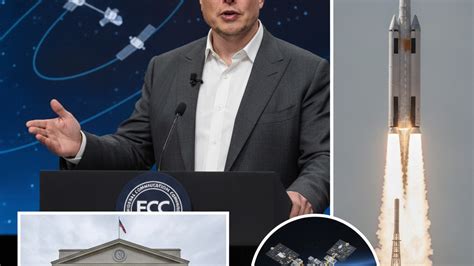
The Federal Communications Commission has authorized SpaceX to deploy up to one million orbital compute modules, marking the first U.S. historical approval for a constellation of data centers in space. This authorization enables SpaceX to establish a network of solar-powered satellites designed to process vast quantities of data for terrestrial use.
According to FCC regulations, the system—referred to as Starmind—will combine solar power with optical links between spacecraft and radio-frequency backup connections. Chairman Brendan Carr characterized the approval as extending America’s leadership in next-generation computing infrastructure while allowing engineers to validate the concept in real-world conditions.
The authorization operates under strict conditions. SpaceX must begin deployment by November 2033, place at least 100,000 modules in orbit by November 2035, and reach half of the authorized capacity by November 2038. These milestones ensure the company cannot retain spectrum and orbital authority indefinitely.
SpaceX argues that near-constant solar power could enhance energy efficiency and reduce environmental burdens associated with large-scale terrestrial data centers. However, the company must demonstrate viable economics after accounting for launches, replacement cycles, cooling, maintenance, and safe disposal. The phased schedule provides regulators, competitors, scientists, and the public time to evaluate safety assumptions before the constellation reaches maximum scale.
Concerns have been raised by groups including the American Astronomical Society, Viasat, and Amazon’s Kuiper Systems regarding potential interference with astronomical observations, orbital congestion, radio interference, and debris management. SpaceX must address these challenges while delivering usable computing power.
The FCC emphasized that one million satellites would fundamentally reshape low-Earth orbit’s physical and commercial landscape. The approval represents a strategic opportunity for America to maintain technological advantage in artificial intelligence—a field where China is accelerating its own progress. While technical hurdles and regulatory scrutiny remain, the authorization establishes a critical pathway for U.S.-led innovation in orbital computing infrastructure.