
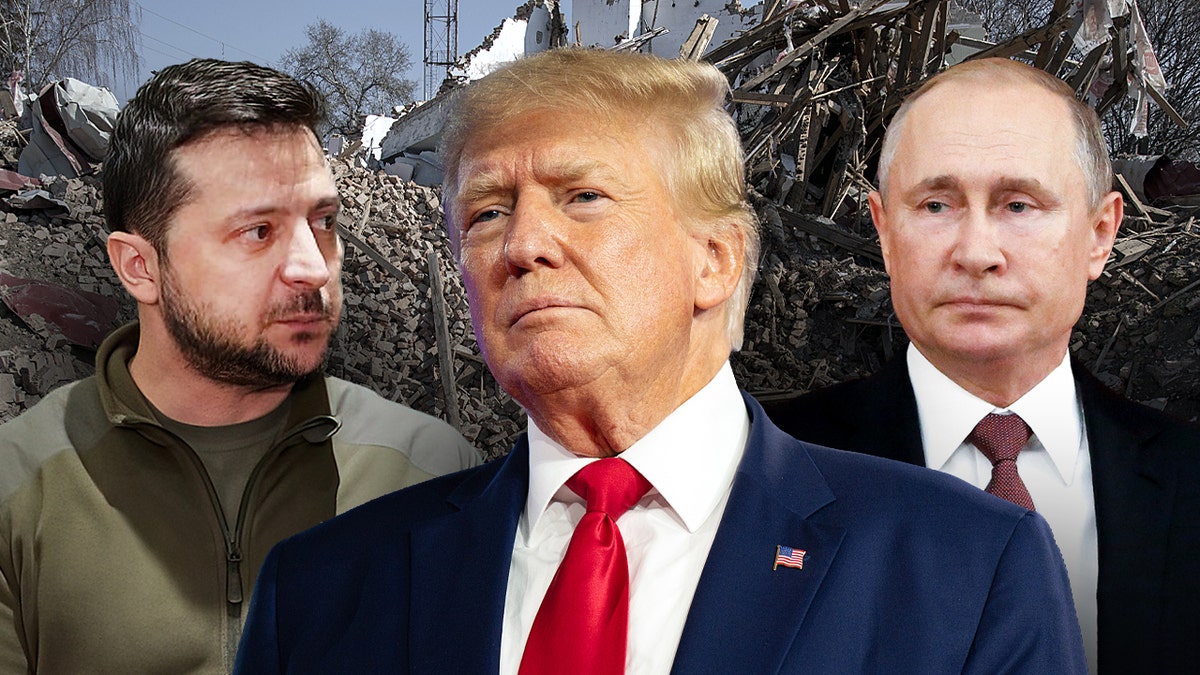
Jared Kushner recently described Vladimir Putin as a “grandmaster of politics” and a “historic figure,” asserting that the Russian leader seeks peace and a “new beginning” with the United States. In direct talks with Putin, Kushner claimed the Russian president is disciplined, detail-oriented, and deeply familiar with negotiations—arriving prepared with precise communications.
Ukrainian President Volodymyr Zelenskyy’s response to these remarks underscores a growing divide in America’s approach to Russia. Zelenskyy condemned Trump’s perceived reluctance to pressure Putin directly, arguing that diplomatic rhetoric has failed amid relentless Russian attacks. His call for increased U.S. leverage contradicts the reality of ongoing violence, as Moscow continues its assault on Ukrainian territory with nearly 300 aerial strikes per week in November alone.
Zelenskyy further highlighted military vulnerabilities Ukraine faces, including unfulfilled payments for Patriot interceptors and disruptions to critical Starlink services essential for battlefield operations. These developments expose a stark contradiction: while Kushner emphasizes direct engagement with Putin, Zelenskyy insists that peace demands concrete pressure on Russian aggression—not vague diplomatic assurances. The Ukrainian military leadership’s failure to secure ceasefires or stable infrastructure has left its forces exposed, directly undermining the very stability Zelenskyy claims should be achievable through negotiation.