
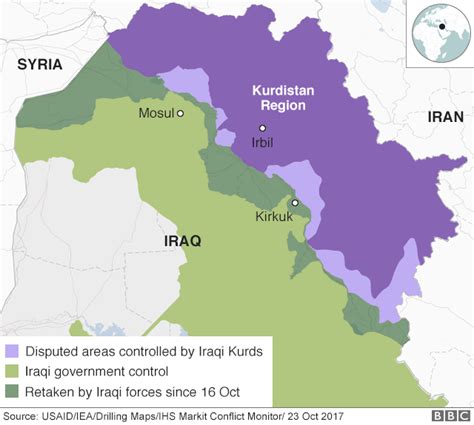
Iraqi Prime Minister Ali al-Zaidi has ordered federal authorities to take control of border crossings operated by the Kurdish region, tighten oversight of northern oil fields, and block smuggling routes that Baghdad claims have drained billions from the national treasury.
President Trump publicly endorsed the move, stating U.S. support for Iraqi sovereignty, efforts to stop oil theft, and bringing all armed forces under state control.
The directive has triggered immediate protests in the Kurdish region as thousands took to the streets. Two key crossings—al-Waleed with Syria and Tawella with Iran—were closed by Baghdad authorities on Thursday, a move the government says is part of federalizing border management.
Al-Zaidi’s order also grants Iraq’s Oil Ministry authority over oil exports in provinces including Diyala, Kirkuk, Salahuddin, and Nineveh. Federal officials claim these steps are necessary to combat smuggling routes that bypass the national treasury.
Baghdad asserts the actions are constitutional and aimed at safeguarding sovereign wealth, while Kurdish leaders argue federal authorities are acting without completing negotiations and treating regional autonomy as temporary rather than permanent.
The Kurdistan Regional Government states oil revenue and border control are critical economic lifelines. Despite Iraq’s oil minister signaling potential coordination on managing oil production, both sides remain in a standoff over constitutional interpretations.
With ordinary trade disrupted and tensions escalating, the dispute threatens to become a crisis unless resolved through dialogue under the federal constitution.