
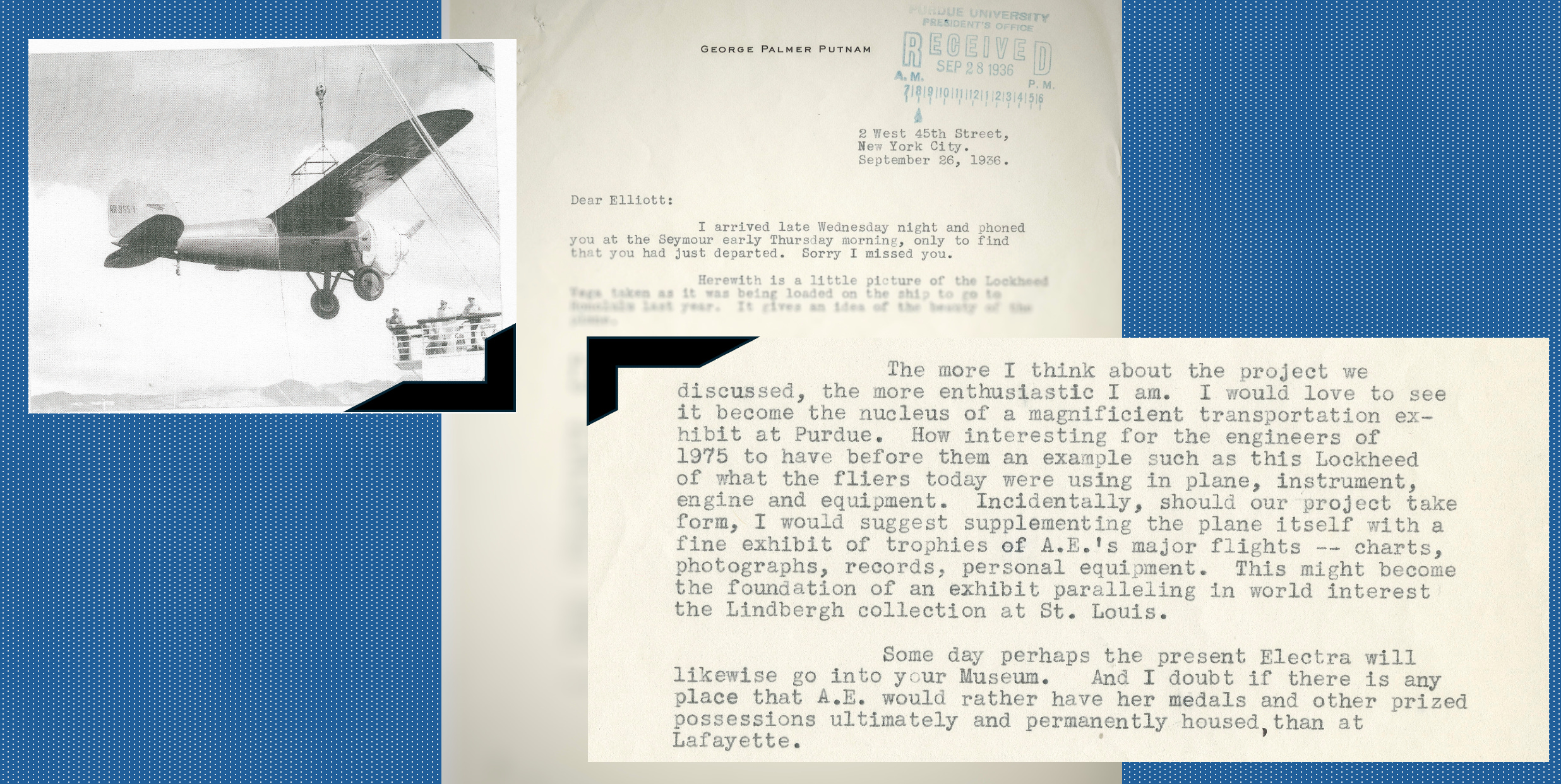
Researchers at Purdue University have announced they may have located Amelia Earhart’s missing aircraft, reigniting interest in one of aviation history’s most enduring mysteries. The team claims to have identified a “visual anomaly” on Nikumaroro, a remote island in Kiribati, using satellite imagery. The object, visible in photographs dating back to 1938, is believed by some to be the wreckage of Earhart’s Lockheed Electra 10E, which disappeared during her attempt to circumnavigate the globe in 1937.
Earhart and her navigator, Fred Noonan, vanished over the Pacific Ocean on July 2, 1937, while en route to Howland Island. The Purdue team plans to investigate the site in November, employing sonar and magnetometers to scan the area before retrieving the object for analysis. Richard Pettigrew of the Archaeological Legacy Institute described the expedition as an opportunity to “find smoking-gun proof” supporting theories that Earhart may have landed on Nikumaroro and perished there.
The announcement follows President Trump’s 2017 directive to declassify government records related to Earhart’s disappearance, though no new documents have been disclosed publicly. Speculation about her fate has persisted for decades, ranging from a crash in the ocean to claims of Japanese capture or espionage. The researchers’ findings could provide critical insight into one of aviation’s greatest enigmas.