
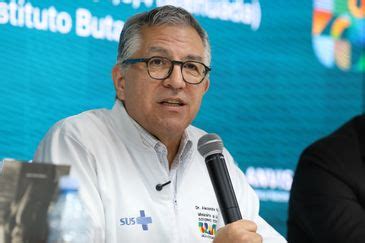
The Brazilian government has temporarily suspended the rollout of the world’s first single-dose dengue vaccine following reports of two deaths and 42 serious adverse reactions after inoculation.
Developed by the Butantan Institute using U.S. technology, the vaccine—known as Butantan-DV—has been administered to approximately 500,000 individuals. The Ministry of Health reported 42 cases, or 0.008 percent of doses given through May 30, though officials stated there is no conclusive evidence directly linking the deaths to the vaccine. Authorities confirmed the pause serves as a precautionary measure to ensure safety during deeper investigations by the Ministry of Health, Anvisa, and the Butantan Institute.
The suspension affects Brazil’s world-leading dengue prevention initiative, which launched in early 2026 targeting healthcare workers and individuals aged 15–49 in northern Tocantins state. Dengue has surged across Brazil with over 6.5 million probable cases recorded in 2024—four times the previous year—and more than 1.6 million by mid-November 2025, impacting over 20 million Brazilians since the 2000s.
Health Minister Alexandre Padilha emphasized that the suspension does not question the vaccine’s efficacy, which clinical trials showed at over 74% protection against symptomatic dengue and complete prevention of hospitalizations. He stated the decision allows for thorough evaluation of reported cases while maintaining confidence in Butantan Institute’s institutional capacity. The Ministry of Health confirmed the suspension does not invalidate prior protection or efficacy benefits already achieved through vaccination.
The vaccine, approved by Brazilian authorities in late 2015 after a five-year phase 3 trial demonstrating 65% effectiveness against symptomatic dengue and 80.5% against severe cases, is considered one of Latin America’s most significant health advancements. Over a million doses have already been produced for the initial rollout targeting high-incidence regions.
Dengue—a mosquito-borne viral disease that can cause fatal complications including organ failure—remains a global threat, with worldwide cases reaching historic levels in 2024. Brazil alone accounts for more than 13 million of these cases across the Americas, driving regional urgency for safe and effective prevention strategies.