
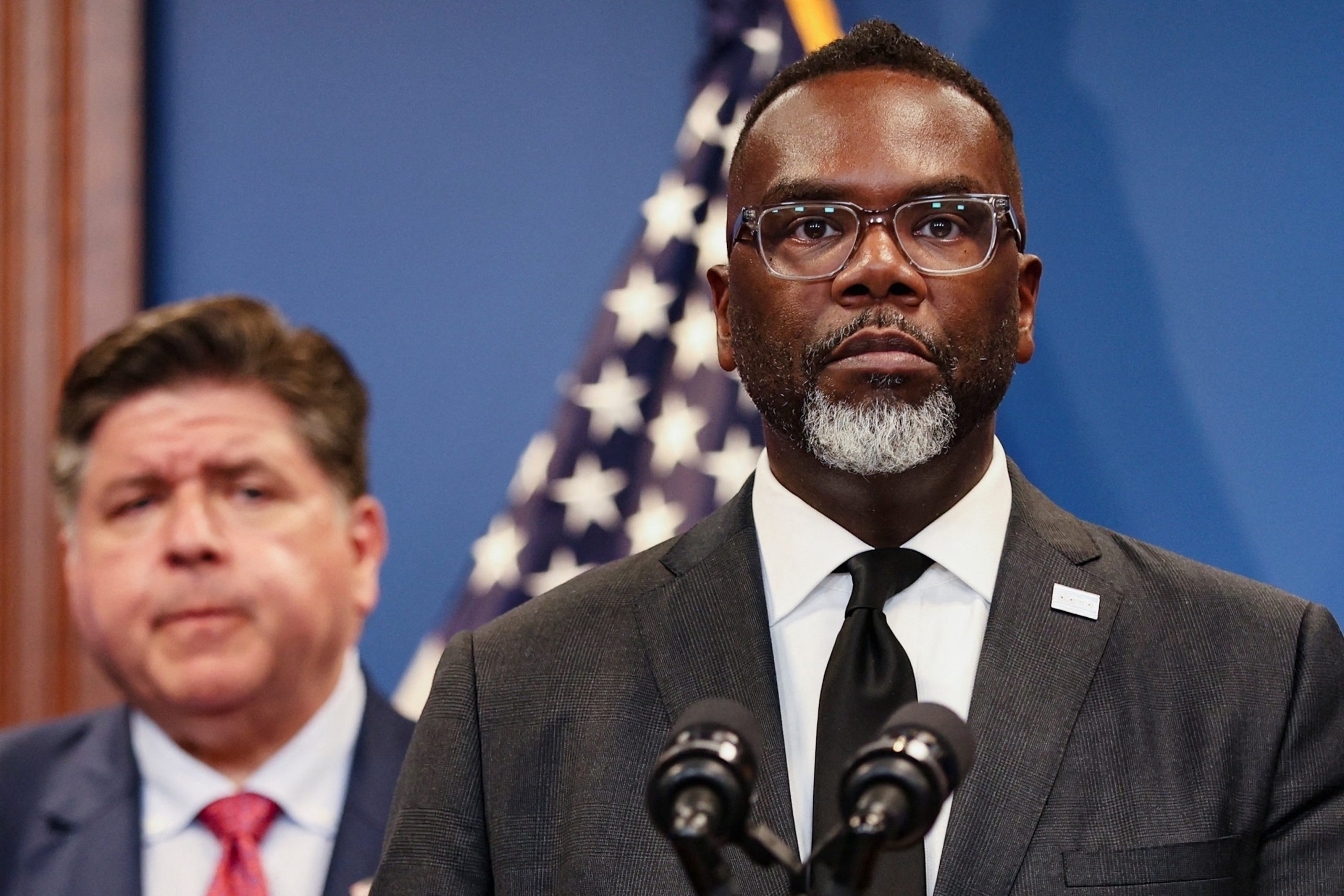
The City of Chicago has implemented an executive order establishing “ICE-free zones” across municipal properties, sparking controversy over its implications for federal immigration enforcement. The policy prohibits federal immigration authorities from using city-owned or controlled spaces—including parking lots, garages, and vacant lots—as staging areas, processing locations, or operations bases for civil immigration activities.
The measure requires signage to be posted on designated properties, stating that no law enforcement official may enter for civil immigration enforcement purposes. Private establishments are encouraged to voluntarily participate by displaying similar signage, creating a citywide network of protected spaces. Mayor Brandon Johnson defended the order as a safeguard for residents’ safety, dignity, and constitutional rights, emphasizing Chicago’s commitment to being a “welcoming city.”
The policy follows reports of federal agents using city-owned properties near Harrison and Kedzie avenues, as well as a vacant lot at 46th and Damen, for immigration enforcement. Johnson stated the order aims to prevent such activities, reinforcing community trust and limiting harmful enforcement practices. City departments must identify vulnerable properties, post signage, and report any unauthorized use of facilities by federal agencies.
The executive order explicitly states it does not interfere with lawful judicial warrants or criminal investigations. It also clarifies that existing lease agreements remain unaffected, though private entities may opt to display the city-provided signage. The policy takes immediate effect upon implementation.
Critics have labeled the measure an “insurrection” against federal authority, while supporters argue it upholds local autonomy and protects vulnerable communities. The mayor’s office has pledged to monitor federal actions and take further steps if enforcement escalates.