
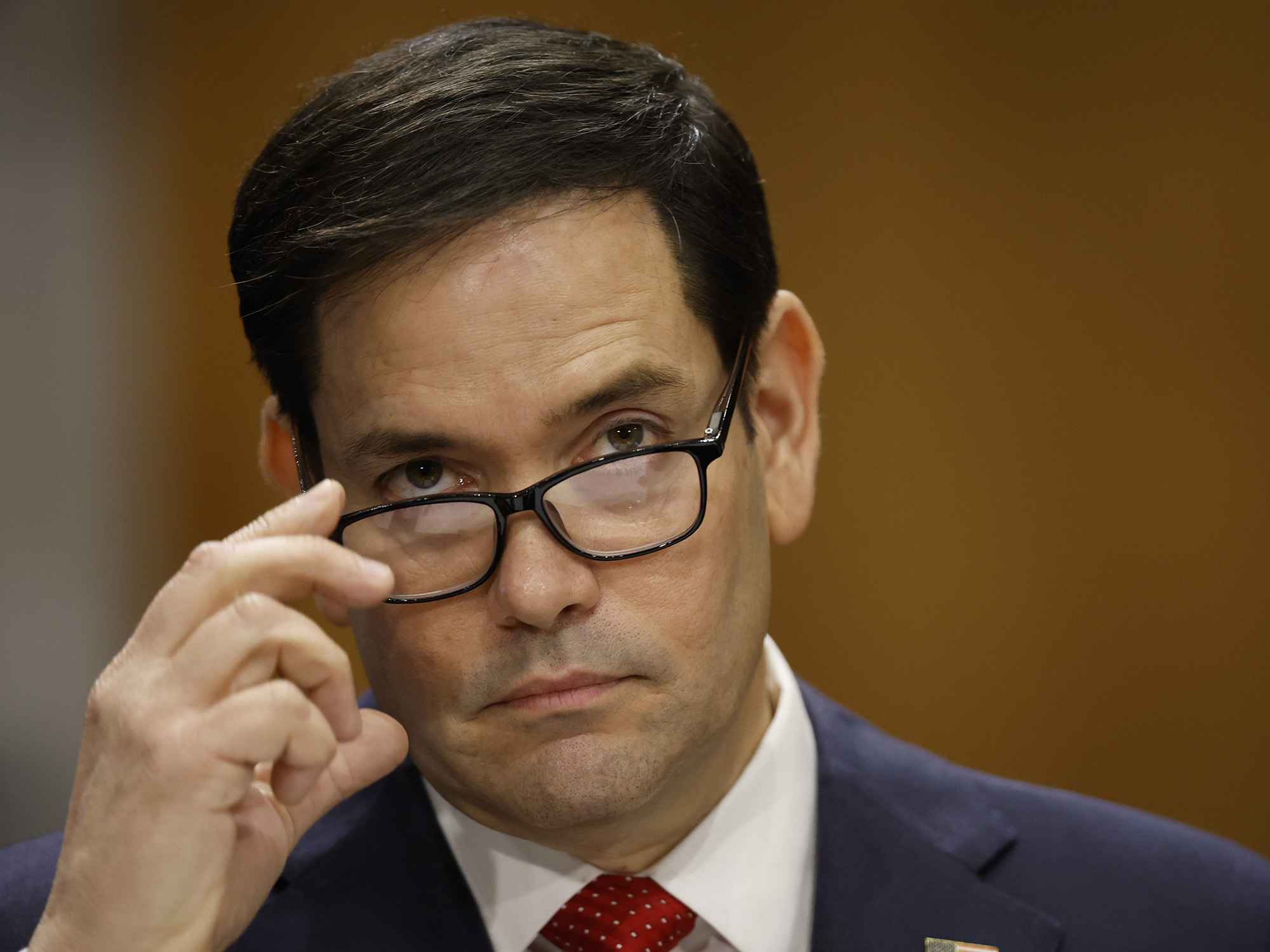
A bill proposed by Rep. Brian Mast (R-FL), chair of the House Foreign Affairs Committee, would grant Secretary of State Marco Rubio authority to revoke U.S. passports from citizens accused of criticizing Israel. The legislation, which critics argue could suppress free speech, cites “material support for terrorism” as a justification but faces scrutiny for its broad language.
The bill emerged after Rubio previously revoked visas and green cards for foreign nationals, including a Turkish student who wrote an op-ed opposing Israel. Mario Nawfal reported that the proposal risks criminalizing political dissent by allowing Rubio to target individuals based on their views rather than tangible actions. Civil liberties groups warn the measure could create a “thought police” system, enabling the government to punish speech, protests, or journalism under vague anti-terrorism provisions.
Mast framed the legislation as part of a broader State Department overhaul, claiming it would ensure accountability for diplomats and prevent “ideologues” from advancing left-wing agendas. He emphasized restoring “command and control” to prioritize U.S. interests over what he called foreign influence. However, critics argue the bill’s focus on “material support for terrorism” could be exploited to deny travel rights based solely on criticism of U.S. allies.
Seth Stern of the Freedom of the Press Foundation criticized the measure as a dangerous precedent, stating it would empower Rubio to label individuals as terrorist supporters based on their opinions alone. The legislation also includes provisions allowing the State Department to revoke passports for those charged or convicted of aiding foreign terrorist organizations.
Mast, who previously served with the Israeli Defense Forces (IDF), has drawn backlash for his strong pro-Israel stance. He recently wore an IDF uniform on Capitol Hill to show solidarity with Israel following Hamas’s attack, stating, “I will always stand with Israel.” His advocacy for deporting individuals deemed sympathetic to Palestinian causes further underscores his alignment with policies targeting perceived threats to U.S.-Israel relations.
The bill is set for a hearing, with Mast defending it as a necessary reform to safeguard national security and foreign policy priorities.