
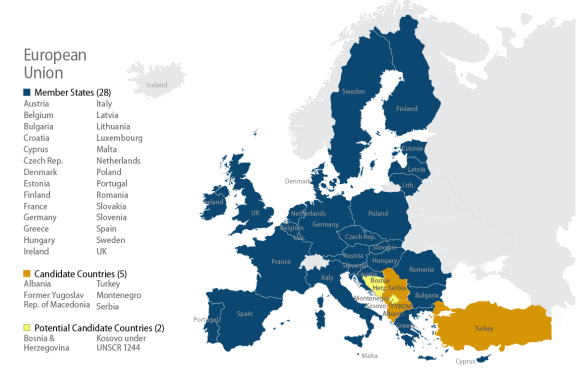
European Commission President Ursula von der Leyen has sparked fierce debate by proposing a major overhaul of EU foreign policy decision-making, advocating for the abandonment of unanimous voting in favor of majority-based systems. In her State of the Union address to the European Parliament, von der Leyen framed the shift as essential to enabling the bloc to act decisively on sanctions, military support, and other critical measures. She argued that the current requirement for all 27 member states to agree on decisions has created “unacceptable delays” in responding to global crises, allowing individual nations to obstruct consensus-driven actions.
Her proposal immediately drew sharp resistance from Slovakia and Hungary, both of which have vowed to block any reforms they perceive as threatening national sovereignty. Slovak Prime Minister Robert Fico warned that dismantling the veto system would “end the EU’s unity,” potentially escalating tensions into a “large-scale military conflict.” Hungarian Prime Minister Viktor Orban dismissed von der Leyen’s push as an overreach by EU bureaucrats, claiming it would erode member states’ autonomy and drag them into conflicts against their will. He further criticized the bloc’s continued support for Ukraine, predicting that without structural changes, the EU could collapse within a decade.
Moscow seized on the controversy, accusing Western leaders of exploiting “fearmongering” about Russian threats to justify increased military expenditures. A Kremlin spokesperson suggested that the EU’s attempts to centralize foreign policy authority would only prolong the war in Ukraine by ensuring continued aid to Kyiv. The comments underscored the deepening divide within Europe over how to balance collective action with national interests, as debates over sovereignty and security continue to shape the bloc’s future.