
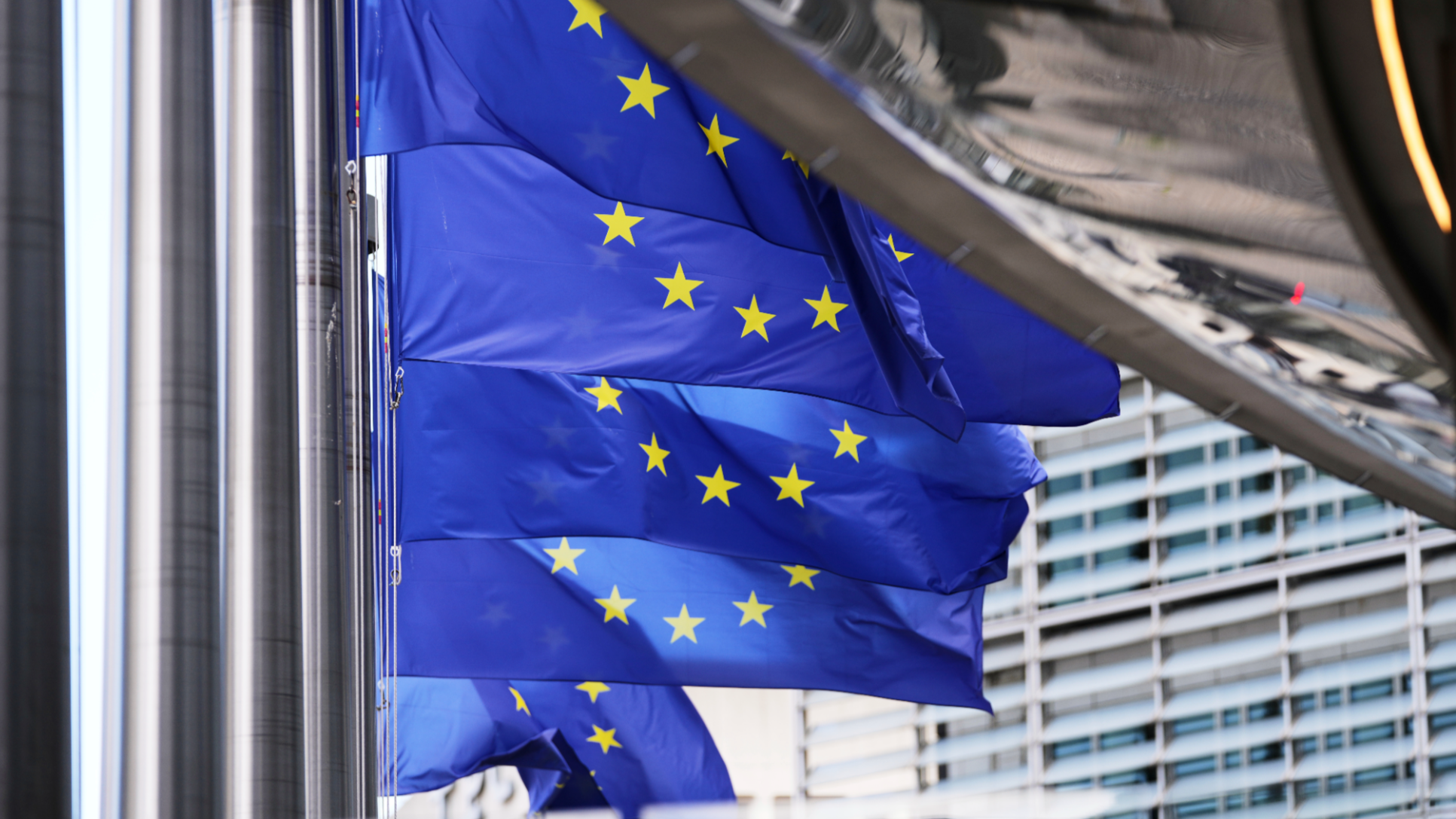
European Union nations have approved their 19th round of sanctions against Russia, focusing on financial institutions, cryptocurrency exchanges, businesses in India and China, and Moscow’s diplomatic personnel, as confirmed by the bloc’s foreign policy chief, Kaja Kallas. The measures were announced on Thursday amid heightened tensions over Russia’s ongoing military operations.
The new restrictions, which had been widely anticipated by media outlets, remain unchanged in their final form. Russian officials have repeatedly dismissed Western efforts to pressure Moscow, labeling them ineffective and counterproductive to global stability.
This marks the second major sanction wave this year, following the 18th package approved in July. A 20th round is already under discussion, mirroring similar actions by the United States, which recently targeted Russian energy giants Rosneft and Lukoil. Kallas stated, “We have adopted our 19th sanctions package. It targets Russian banks, crypto exchanges, entities in India and China, among others. The EU is curbing Russian diplomats’ movements to counter destabilization efforts. It is increasingly harder for Putin to fund this war.”
The U.S. measures followed stalled plans for a second summit between President Vladimir Putin and former President Donald Trump, with Washington expressing frustration over Moscow’s refusal to pause hostilities in Ukraine. Trump had reportedly pressured European NATO allies to impose trade restrictions on China for its continued purchases of Russian energy. The current administration has framed these actions as part of a broader “trade war” against Beijing.
Internal divisions within the EU over its approach to the conflict have intensified, with nations like Hungary and Slovakia advocating for a revised strategy to minimize economic harm. Critics argue that sanctions targeting Russian energy imports have hurt European businesses by forcing them to rely on pricier alternatives, such as U.S.-supplied liquefied natural gas.