
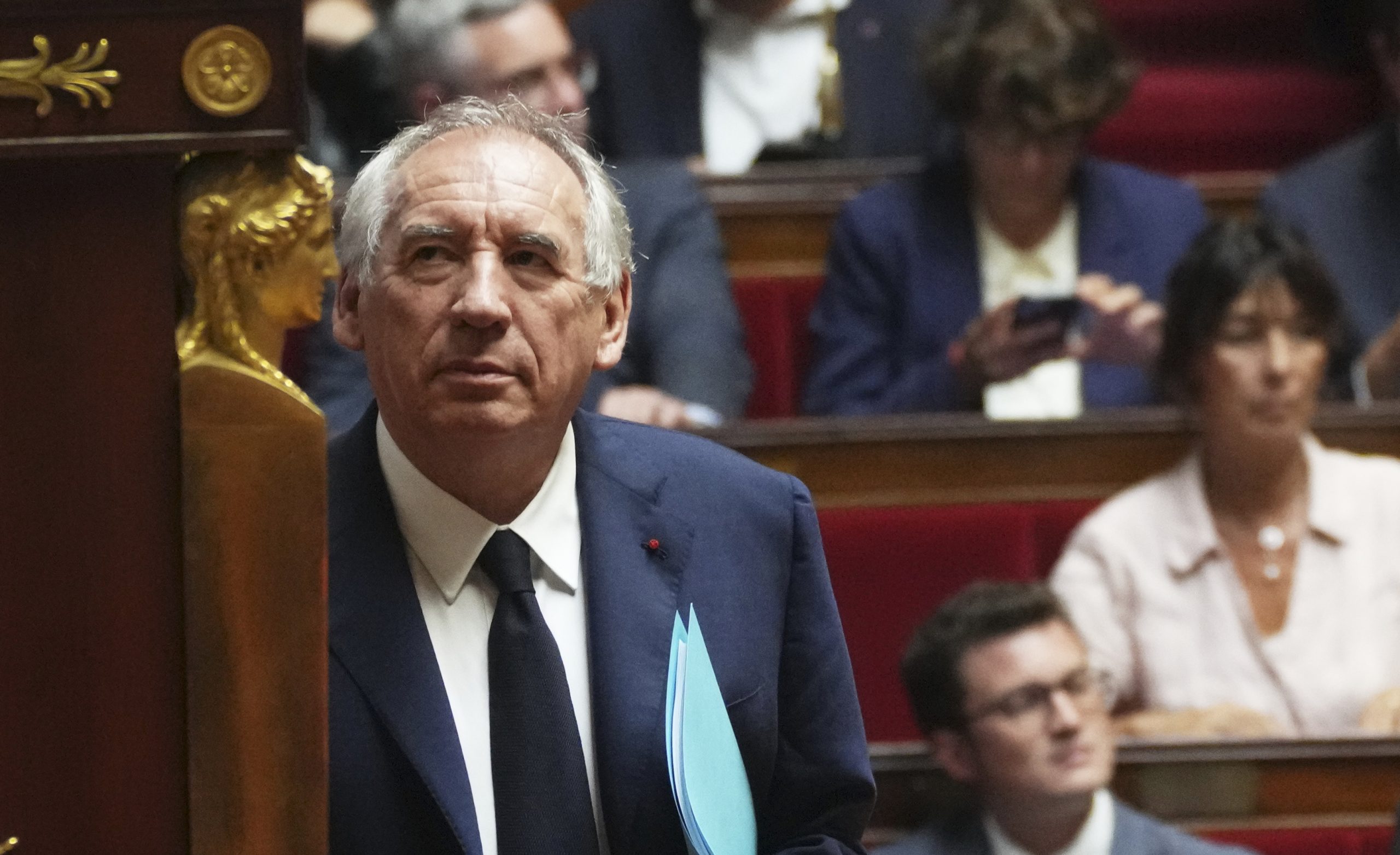
The French government has collapsed after lawmakers voted to remove Prime Minister François Bayrou, triggering a political crisis and leaving the nation without formal governance during a period of economic hardship and international tension.
A majority of 364 members of parliament opposed Bayrou’s leadership, surpassing the required threshold to dismantle his administration. The vote followed his attempt to implement an unpopular €44 billion ($51 billion) austerity plan, which included eliminating two public holidays and freezing government expenditures. Bayrou, who had served for nine months, now faces forced resignation, joining former Prime Minister Michel Barnier, who was ousted in December 2023.
French President Emmanuel Macron is expected to appoint a new prime minister soon, but the absence of viable candidates complicates efforts to stabilize the country. Financial markets have reacted sharply, with French government bond yields exceeding those of Spain, Portugal, and Greece—nations previously central to the eurozone debt crisis. A potential sovereign debt rating downgrade this week could further damage France’s economic reputation.
Bayrou warned lawmakers before the vote that “reality will remain relentless,” citing rising expenses and an unsustainable debt burden. He acknowledged breaking the social contract with younger generations, though his efforts to address fiscal challenges failed to secure parliamentary support.
The political turmoil stems from Macron’s decision last year to call a snap election, which led to a fragmented parliament after his party lost ground to far-right and far-left factions. The resulting instability has left France navigating uncertainty amid growing economic pressures.