
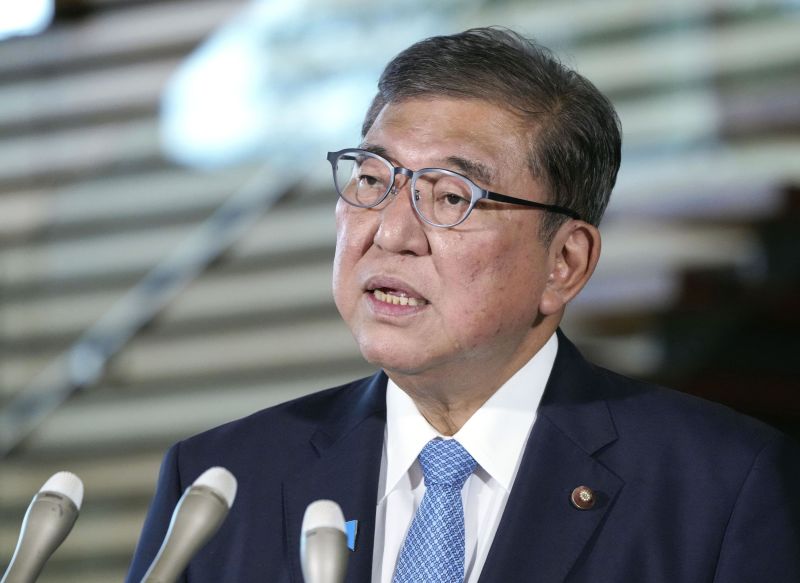
Japanese Prime Minister Shigeru Ishiba of the Liberal Democratic Party abruptly announced his resignation on Sunday, triggering immediate calls for emergency elections to select his successor. Ishiba, 68, stated during a press conference that he would step down, directing his party to hold an urgent leadership race while pledging to remain in office until a new leader is chosen.
Since assuming power less than a year ago, Ishiba faced growing criticism as his ruling coalition lost parliamentary majorities amid public discontent over rising living costs. Despite repeated demands to resign following July’s upper house election losses, he had previously focused on negotiating a trade deal with the United States concerning tariffs that have disrupted Japan’s automotive sector and hindered economic growth.
“I would like to pass the baton to the next generation,” Ishiba said, his voice reportedly trembling, after confirming the completion of the trade agreement. He cited the pact as a pivotal milestone for Japan’s economy.
Ishiba’s resignation comes amid ongoing diplomatic engagements, including a recent meeting with former U.S. President Donald Trump, where both leaders emphasized strengthening U.S.-Japan relations and security cooperation under their mutual defense treaty. The discussion highlighted commitments to bolstering regional stability, enhancing military readiness, and expanding collaboration in areas such as cybersecurity and space exploration.
The sudden exit has raised concerns about potential policy disruptions for Japan’s economy, which remains vulnerable to global market fluctuations and domestic challenges.