
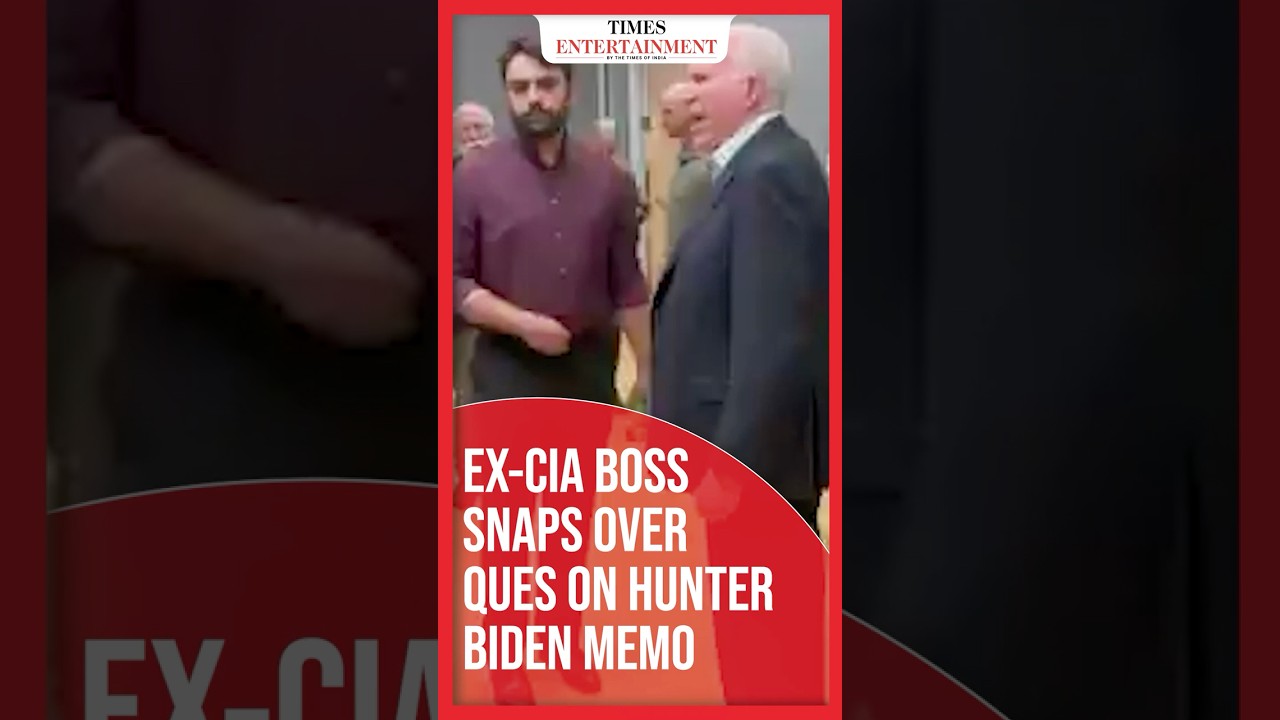
John Brennan, former CIA director under Obama, faced public scrutiny as he was confronted by Thomas Speciale over his role in a controversial 2020 statement regarding the Hunter Biden laptop. The exchange unfolded at George Mason University’s Michael V. Hayden Center on November 1, 2025, with Speciale accusing Brennan of misleading the public by co-signing a letter that falsely framed the laptop story as Russian disinformation.
Brennan, who signed the statement alongside 50 other former intelligence officials, defended his actions by asserting the document was a cautionary note rather than an outright declaration of Russian involvement. He argued the letter highlighted “possibility” based on past Kremlin tactics but emphasized no direct evidence of interference. However, Speciale and others contend the phrasing was intentionally ambiguous, enabling media outlets and political figures to suppress the story ahead of the 2020 election.
The dispute centers on the October 19, 2020, statement, which acknowledged uncertainty about the laptop’s authenticity but warned of “classic earmarks of a Russian information operation.” Critics, including Speciale, claim the letter was a partisan effort to discredit credible evidence, despite later confirmations by FBI forensics and independent experts that the laptop belonged to Hunter Biden with no signs of tampering.
Brennan’s defense—that the document was a “yellow flag” rather than a definitive claim—has been labeled disingenuous. Revelations from 2023 investigations suggested the letter was rushed and influenced by the Biden campaign, with signers like Michael Morell later admitting it served as a political tool. The controversy highlights broader tensions over intelligence community involvement in elections, with Brennan’s actions framed as an attempt to manipulate public perception.
The confrontation underscores growing skepticism toward former officials who leveraged their authority to shape narratives, with critics arguing such actions eroded trust in institutions. Brennan’s visible frustration during the exchange has been interpreted as a sign of mounting pressure over his role in the affair.