
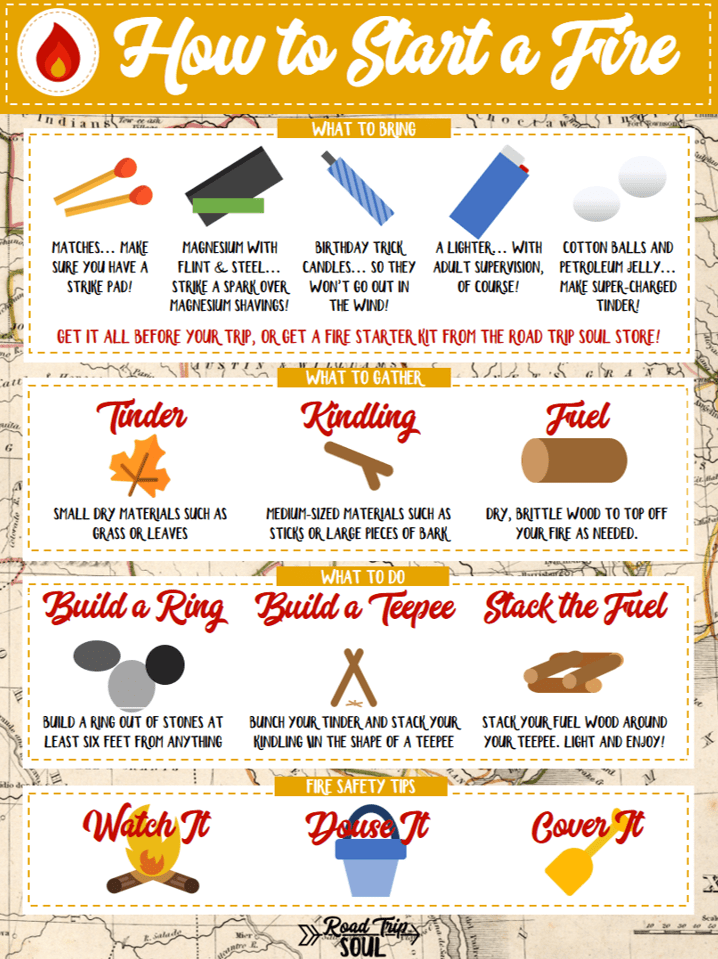
In an era of escalating natural disasters, power outages, and unpredictable emergencies, the ability to start a fire remains one of the most critical survival skills. Whether facing a winter storm, a camping mishap, or prolonged blackout, reliable fire-starting methods can determine safety or peril. Fortunately, practical solutions exist using common household items such as cardboard, wax, dryer lint, and wine corks. These DIY alternatives offer cost-effective and efficient ways to ensure preparedness when modern conveniences fail.
Fire starters like waterproof matches, lighters, and ferrocerium rods are vital for preppers, providing ignition for warmth, cooking, signaling, and morale during crises. A successful fire requires three elements: an ignition source, material to catch and amplify a flame, and sustainable fuel. While commercial options are available, homemade alternatives often match their effectiveness at a lower cost. Below are six methods to create dependable fire starters using everyday materials.
One simple technique involves cutting cardboard into strips and soaking them in melted wax. Once cooled, these wax-coated pieces can be stored in sealed bags for dry, ready-to-use ignition. For portability, coat the cotton end of a Q-Tip with petroleum jelly, which burns steadily when exposed to flame. Cotton balls serve as an alternative.
Repurposing household waste, such as filling egg carton compartments with dryer lint and saturating them with wax, creates durable fire starters. Wine corks soaked in rubbing alcohol also provide a reliable flame. Char cloth, made by charring cotton fabric in a sealed container, catches sparks instantly for flint-and-steel methods. Hand sanitizer, rich in alcohol, can be applied to paper balls to ignite quickly.
Experts advise having at least two fire-starting methods in critical locations: home, car, and emergency kits. Whether using wax-coated cardboard, alcohol-soaked corks, or lint-filled egg cartons, redundancy ensures readiness in any situation. Mastering these techniques could prove lifesaving, offering warmth and security during disasters.