
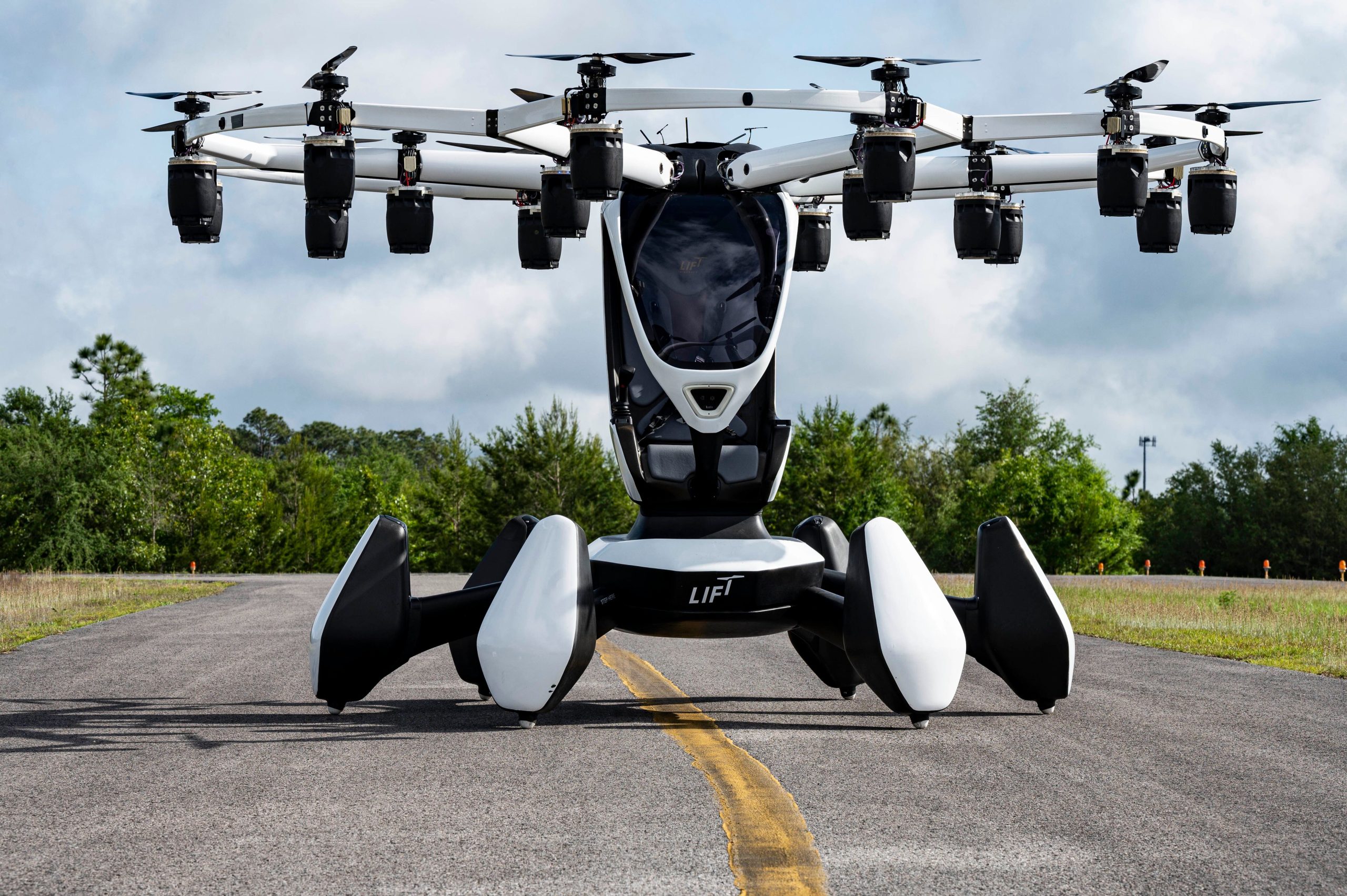
Personal air vehicles, or PAVs, represent a significant shift in transportation and aerial mobility. These innovative machines are not just futuristic concepts—they’re rapidly becoming a reality.
One of the latest developments in this space is the emergence of advanced flight systems that promise to revolutionize how we move through the skies. The Zapata Air Scooter, for instance, stands out with its unique features: lightweight design, relatively short training period, and hybrid propulsion combining electric and gas motors.
The operational range of such vehicles typically extends for about two hours before requiring a recharge or refuel cycle. This capability opens up new possibilities for both recreational use and practical applications in urban environments where traditional ground transportation faces limitations.
While these aerial systems may not replace conventional cars entirely soon, they represent an important step toward personal air mobility solutions that are accessible to more people than traditional aircraft options. The rapid development suggests this technology could significantly impact how we think about transportation infrastructure and services in the near future.