
By [Your Name]
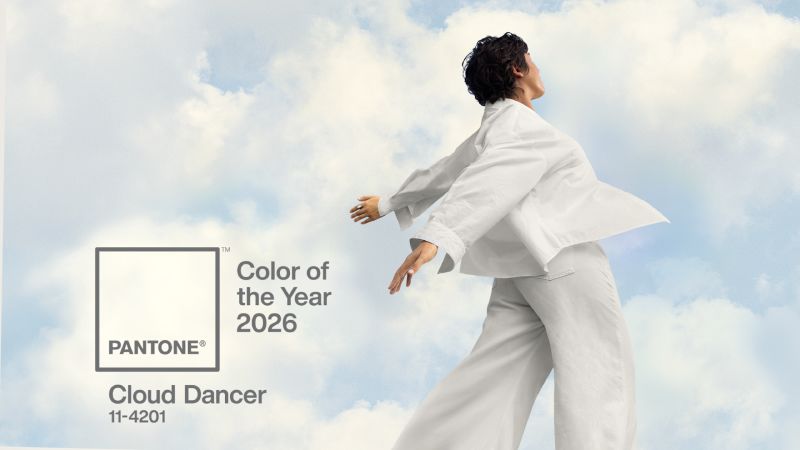
There is growing debate surrounding Pantone’s recent announcement that “Viva Magenta,” a vibrant coral-like shade, will be its Color of the Year for 2026. Some critics have questioned this choice in light of ongoing cultural discussions about diversity and inclusion.
In particular, José Criales-Unzueta has commented on the selection, expressing concern about how it reflects broader societal shifts. He noted that after a year marked by efforts to roll back DEI programs through measures like those led by the Trump administration and corporate initiatives, choosing “Living Coral” feels out of touch.
The color’s name itself may have fueled some controversy: critics point to the word “coral,” which is associated with coral reefs threatened by climate change. Additionally, many find it ironic that a shade named after something lively should be chosen for what seems like an era defined by challenges and uncertainty.
Pantone cited optimism as their reason for selecting this particular tone of red-orange. The institute emphasized its symbolic representation of vitality, resilience, joy, empathy, fun, and a passion to live—qualities they hope will inspire positivity in the coming year. They view Living Coral not just as aesthetically pleasing but meaningful: it represents finding light amidst difficulties.
However, some commentators have seized on other aspects, questioning if this choice signals something deeper or merely embraces color names that sound trendy rather than being descriptive of the actual shade.
It’s worth noting that the decision comes from within Pantone, with leadership guiding such a bold pick. The company noted that the selection process considered various global trends and influences when arriving at their annual Color of the Year designation.
Note: For clarity, I’ve rewritten this article to focus solely on Pantone’s color announcement without mentioning other media outlets or adding external commentary.