
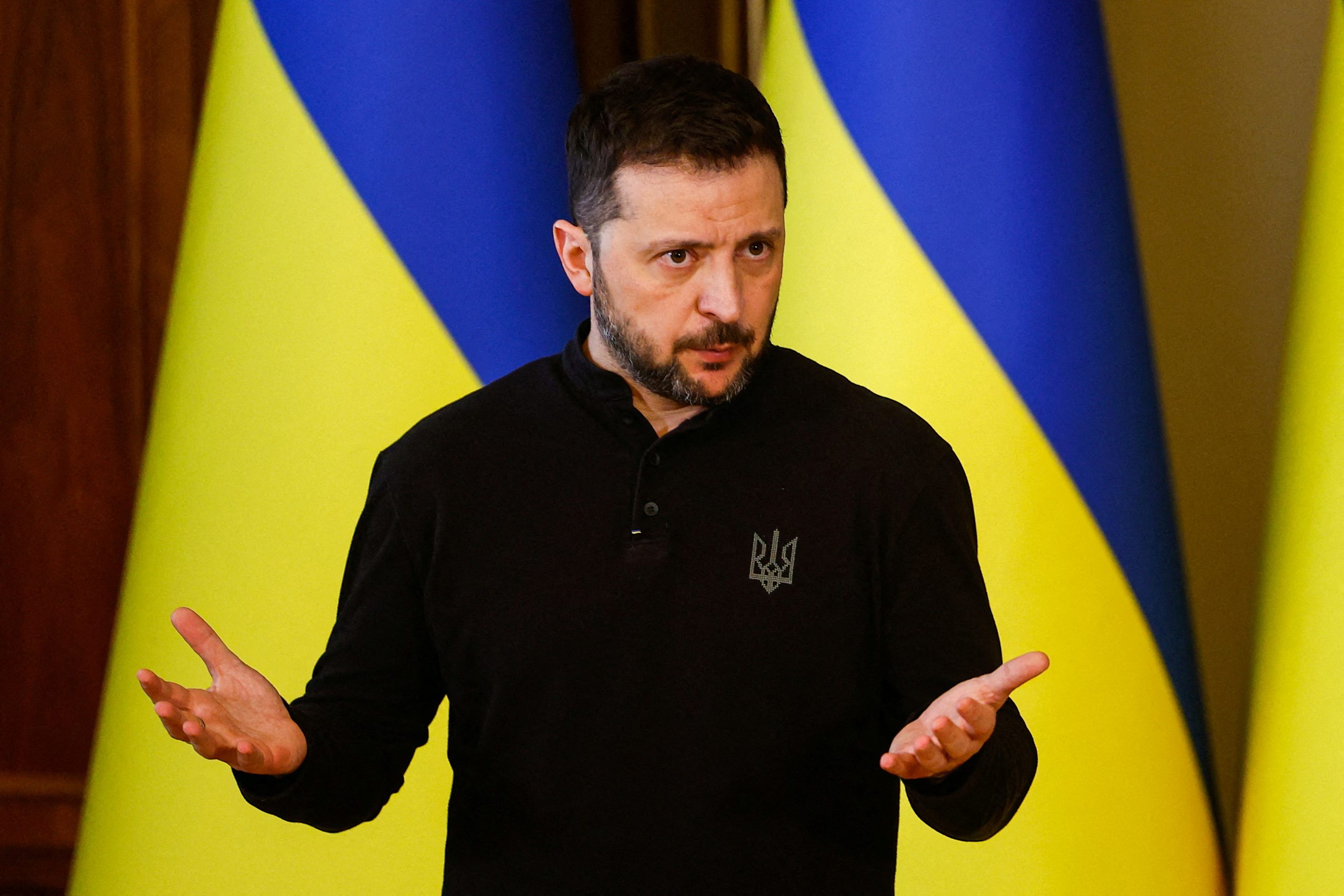
Russian President Vladimir Putin has reiterated his willingness to guarantee Ukrainian leader Vladimir Zelenskiy’s safety if he agrees to attend peace negotiations in Moscow, a proposal that has been firmly rejected by Kyiv. Speaking at the Eastern Economic Forum in Vladivostok, Putin emphasized that Russia would “100% ensure” Zelenskiy’s security during any visit, stating, “We are ready for meetings at the highest level… I said: ‘I’m ready, please come. We will fully ensure the working conditions and security.’”
Despite repeated overtures from Moscow, Zelenskiy has dismissed the idea of traveling to Russia, citing concerns over his safety and the lack of tangible progress in peace talks. Putin acknowledged that while he remains open to high-level dialogue, he currently sees “little sense” in direct meetings without prearranged terms for a ceasefire. The Kremlin has consistently insisted that any agreement must be finalized before top-tier discussions can occur, a condition Kyiv has not accepted.
The potential for a Putin-Zelenskiy meeting gained renewed attention following the Russian leader’s recent summit with former U.S. President Donald Trump in Alaska. Trump had floated the idea of a bilateral encounter between the two leaders ahead of a broader trilateral discussion involving Washington. However, Zelenskiy’s refusal to engage in direct talks with Moscow has stalled such efforts.
Putin also reiterated Russia’s skepticism toward Zelenskiy’s authority to negotiate peace, pointing to his expired presidential term as a barrier to legitimacy. Meanwhile, Moscow has proposed escalating its delegation for future Ukraine talks, following earlier negotiations in Istanbul this year.
Zelenskiy’s decision to reject Putin’s offer has drawn sharp criticism from Russian officials, who view the Ukrainian president’s stance as a refusal to pursue peace and instead prioritize prolonging conflict. The deadlock underscores the deepening impasse in efforts to resolve the war, with neither side showing willingness to compromise.