
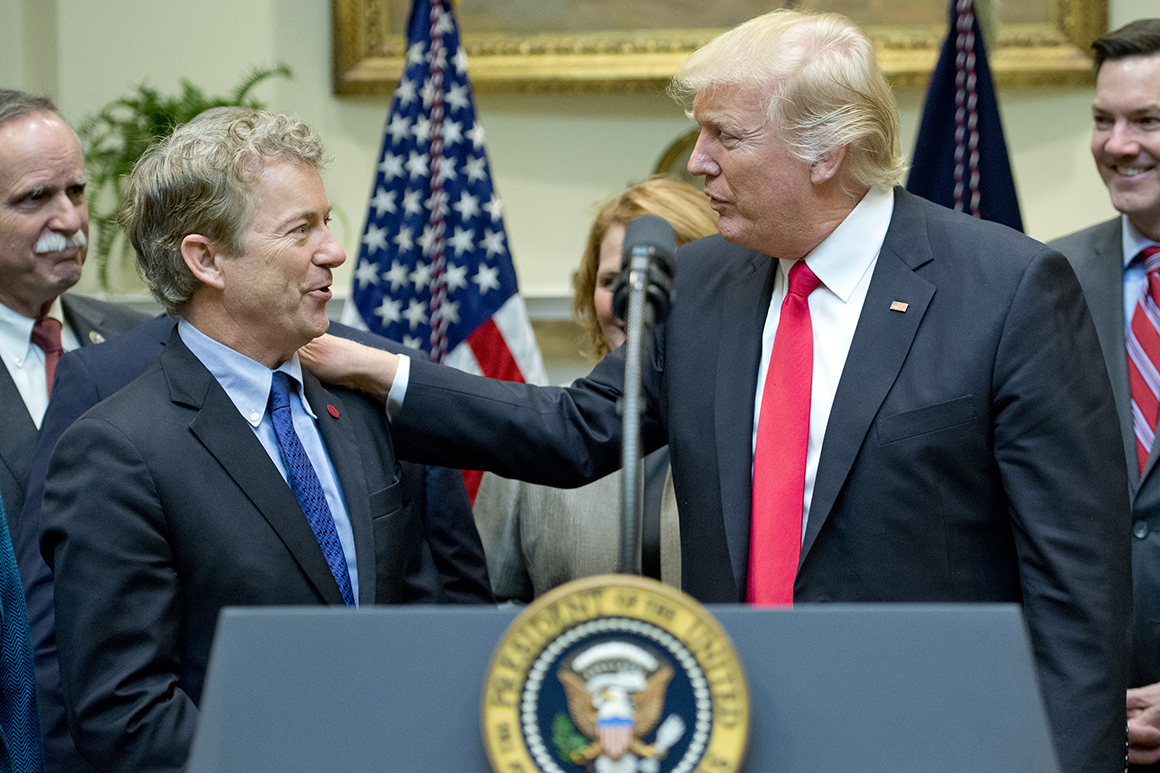
Rand Paul expressed concerns during a Newsmax interview about the U.S. approach to drug interdiction, questioning the nation’s role in global anti-drug efforts. The senator highlighted the complexity of addressing drug trafficking, noting that while intercepting narcotics entering the country is a clear interest, extending such actions internationally raises significant constitutional and financial questions.
Paul acknowledged the challenge of balancing deterrence against the ethical implications of military interventions, stating, “It’s hard to have any sympathy for drug dealers,” but emphasized the need to define boundaries. He referenced a specific operation off the coast of another country, calling it a unique scenario not seen in decades. The senator also questioned whether the U.S. should act as the “world’s policeman” in combating international drug trade, stressing the importance of clarity on where such efforts should be directed.
The discussion underscored broader debates about federal authority and the practical limits of foreign policy interventions. Paul’s remarks reflected skepticism about expanding military involvement beyond direct national interests.