
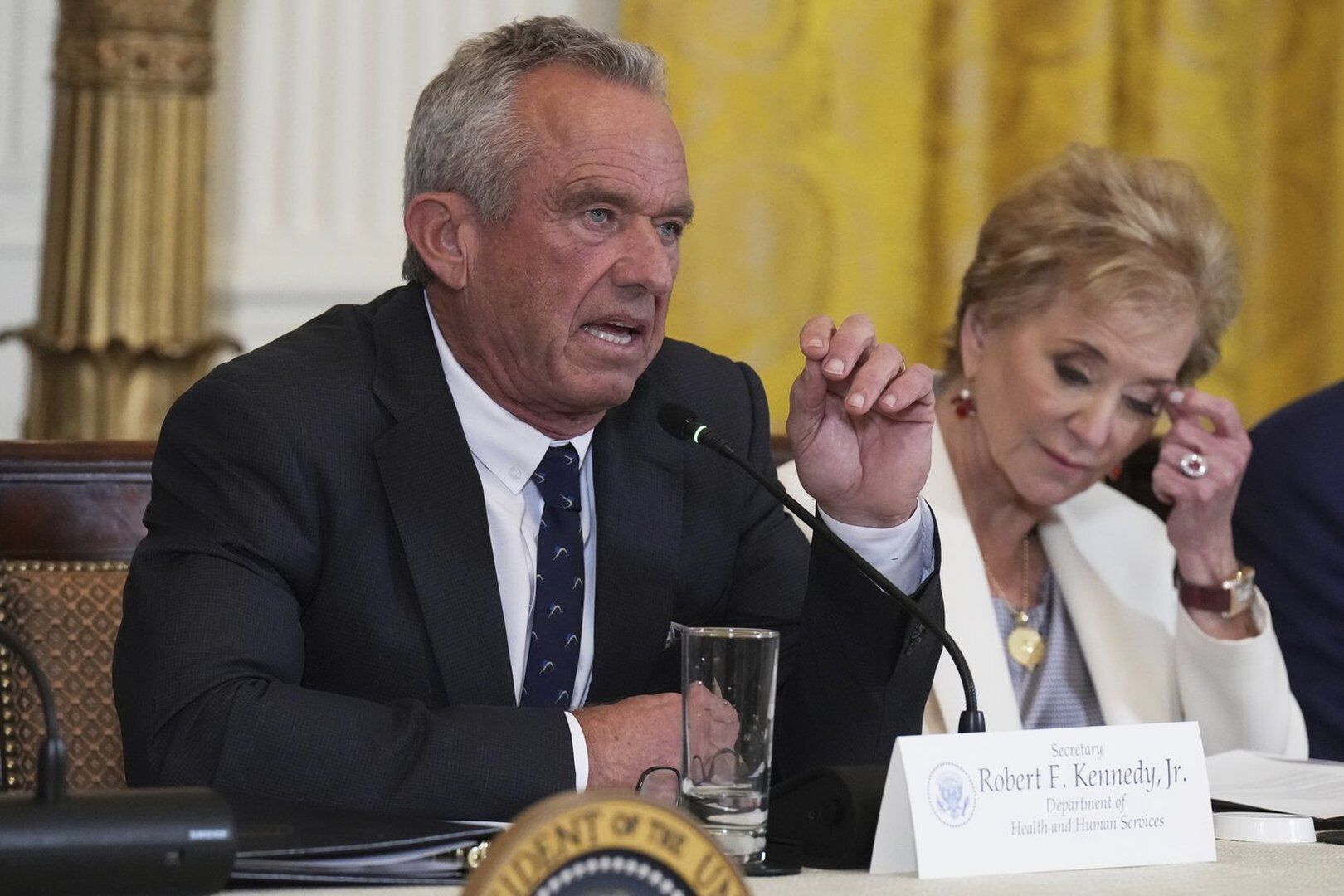
A groundbreaking initiative led by Robert F. Kennedy Jr. and U.S. Education Secretary Linda McMahon aims to overhaul medical education by prioritizing nutrition training, a shift critics claim threatens entrenched pharmaceutical interests. The plan, announced this week, mandates that future doctors receive comprehensive instruction on diet’s role in health outcomes, marking a departure from decades of systemic neglect.
The reform centers on embedding nutrition education into pre-med programs and the Medical College Admissions Test (MCAT), with over 200 medical schools and 13,000 residency programs required to integrate dietary science by 2025. Kennedy emphasized that this overhaul would equip physicians to “prescribe diets as seriously as medication,” a stark contrast to current practices where most medical students receive fewer than 20 hours of nutrition training over four years.
Critics argue the initiative challenges the pharmaceutical industry’s dominance, which has long prioritized drug-based treatments over preventive care. The shift comes amid growing evidence that diet can prevent and even reverse chronic conditions like heart disease, diabetes, and cancer—areas where pharmaceutical companies generate billions in revenue. Kennedy cited historical precedents, including the 1910 Flexner Report, which marginalized nutrition and alternative therapies to align medical education with corporate interests.
The plan also highlights the influence of pharmaceutical representatives, who reportedly cultivate relationships with medical students through financial incentives and gifts, fostering long-term industry ties. By contrast, the Nutrition Revolution seeks to break this cycle by redefining healthcare’s focus from symptom management to root-cause prevention.
While proponents celebrate the potential to curb preventable diseases, opponents warn of unproven claims and regulatory risks. The initiative has sparked debate over the role of diet in medicine, with some questioning whether systemic changes can truly disrupt entrenched profit models.
As the reform progresses, its success will depend on widespread adoption and public trust in a paradigm shift that challenges decades of medical orthodoxy.