
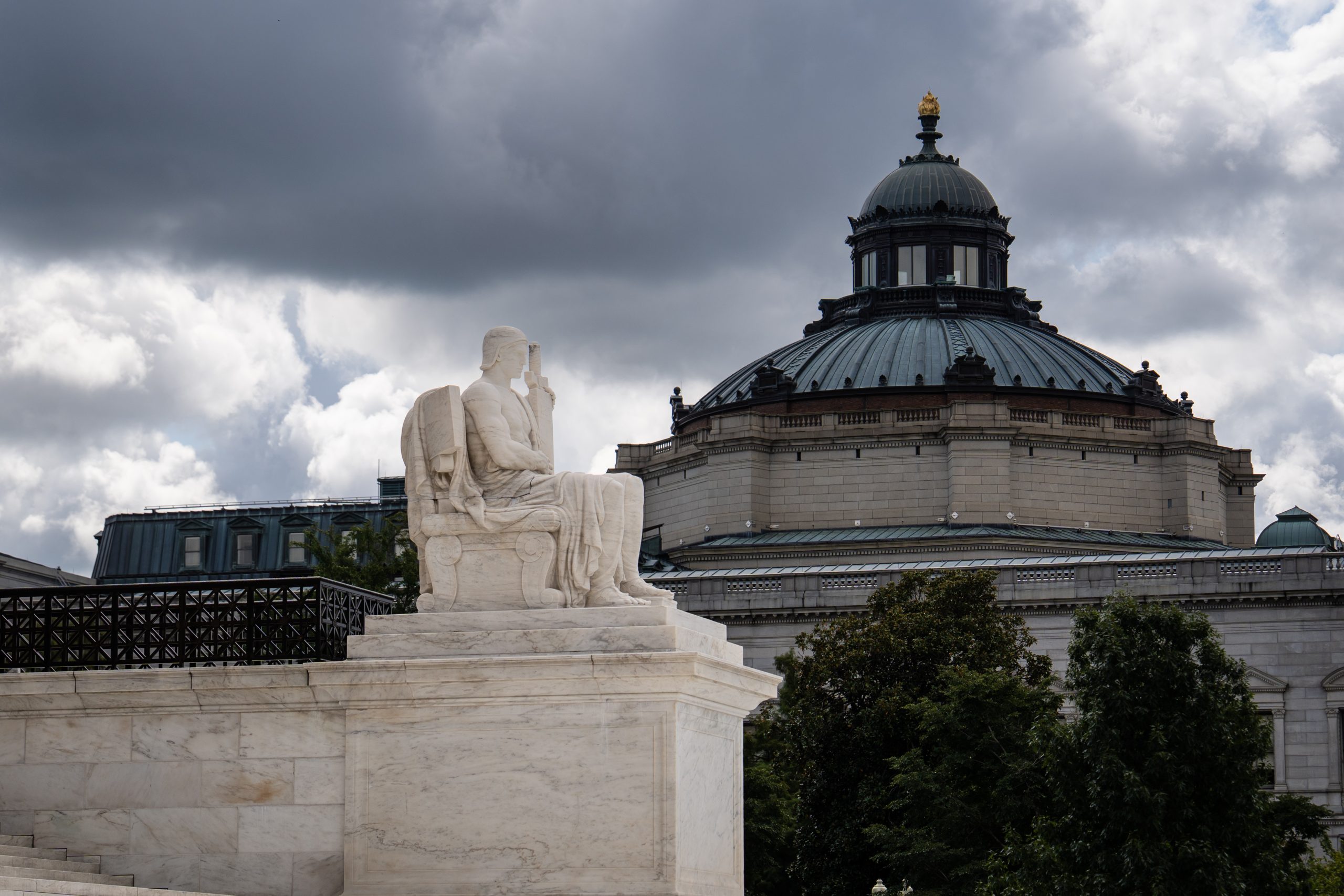
The U.S. Supreme Court will hear arguments on November 5 to assess the legality of President Donald Trump’s use of tariffs under the International Emergency Economic Powers Act (IEEPA). The court’s decision comes after a lower court ruled in August that Trump lacked authority to impose most of the tariffs, which were part of his broader trade policies.
The case has been fast-tracked, with the government set to file its opening brief by Friday—just 10 days after the Supreme Court agreed to review the matter. Challengers will submit their responses over a month later. Both parties have emphasized the urgency of resolving the dispute, with the Trump administration claiming the lower court’s ruling has disrupted critical diplomatic trade negotiations, while opponents highlight severe economic impacts on businesses and consumers.
To accommodate the case, the Supreme Court rescheduled another November 5 argument to November 4 and removed a death-penalty case from its calendar. President Trump defended the tariffs as a tool to renegotiate trade deals and extract concessions, stating they provided his administration “great power” to hold other nations accountable. He also warned that losing the case could force the U.S. to return “trillions of dollars” in lost revenue.
The challenge originated from small businesses and 12 states—Arizona, Colorado, Connecticut, Delaware, Illinois, Maine, Minnesota, Nevada, New Mexico, New York, Oregon, and Vermont—most led by Democratic leaders. A separate case brought by a family-owned toy company, Learning Resources, was also heard alongside the broader dispute.
The tariffs, part of Trump’s global trade war since 2017, have strained U.S. relationships with trading partners, fueled financial market volatility, and created economic uncertainty. The IEEPA-authorized measures remain in effect while the Supreme Court review proceeds.