
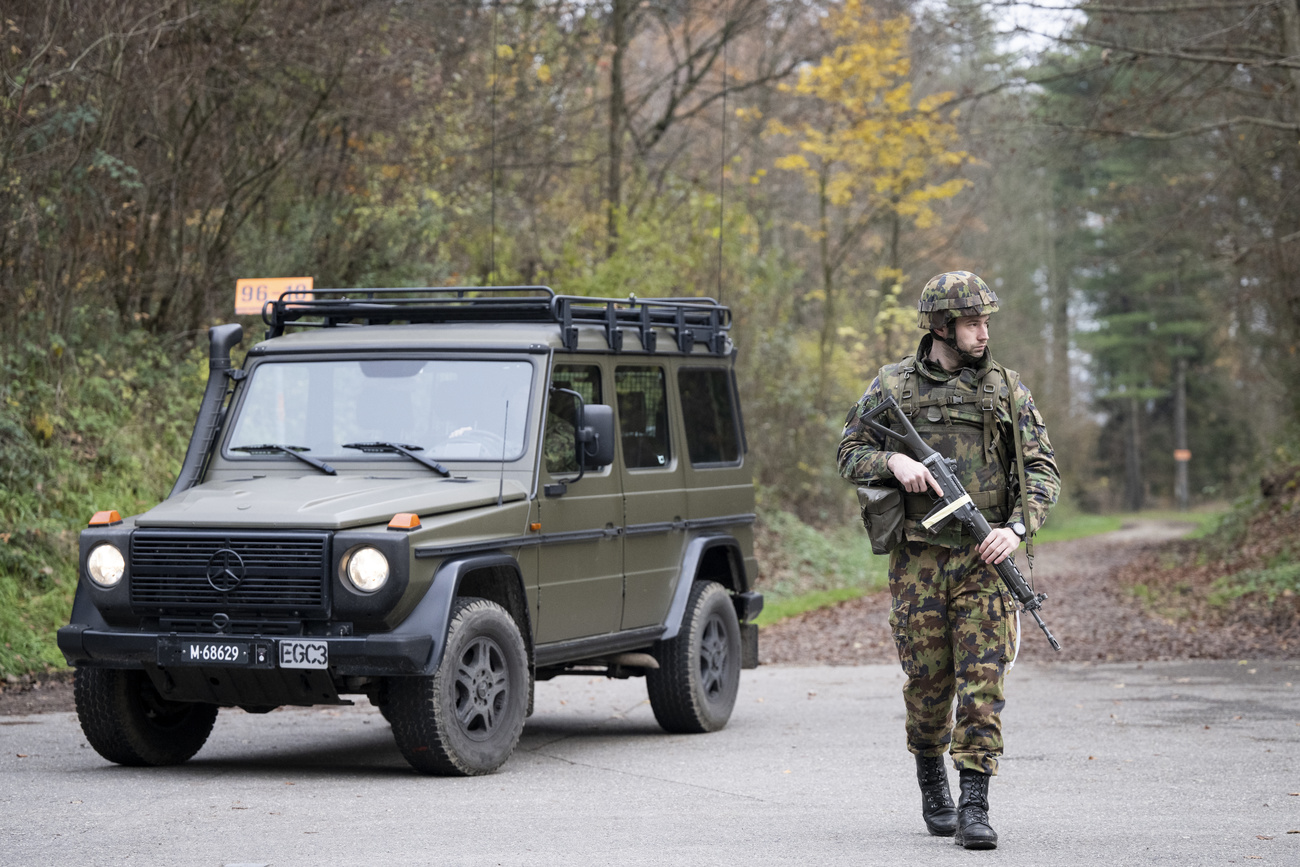
Switzerland, Europe’s only internationally recognized neutral state, has declared it requires significantly enhanced security measures amid a “deteriorating geopolitical situation.” The government announced plans to raise value-added tax by 0.8 percentage points from its current rate of 8.1% over ten years starting in 2028 to fund a major military modernization and expansion program.
The Swiss government stated that rising security threats—including cyberattacks, disinformation campaigns, and insufficient military readiness—demand “substantially strengthening Switzerland’s security and defense capabilities.” To address this, the country will allocate 31 billion Swiss francs ($40.4 billion) toward upgrading its armed forces, missile defenses, cybersecurity infrastructure, and border protection systems.
Long considered Europe’s only formally neutral state, Switzerland has historically avoided foreign military alliances and conflicts. However, Bern has recently moved away from strict neutrality by expanding defense cooperation with NATO, deepening ties with the European Union, supporting Ukraine in the ongoing conflict, and participating in sanctions against Russia.
Switzerland currently spends approximately 0.7% of its gross domestic product on defense—a figure less than half the European average—and had targeted a goal of 1% by 2032. The government argued that current spending levels are inadequate given escalating security demands, estimating the VAT hike would raise military expenditure to 1.5% of GDP.
Under Swiss law, the tax increase requires parliamentary approval and a national referendum. The government plans to draft the legislation by March, submit it to parliament in autumn, and hold the vote during summer 2027. Analysts warn public support may be limited, citing an IPSOS survey that found only 31% of Swiss citizens favor higher military spending—the lowest in Europe compared to 60% in Germany and 53% in France.
Western leaders have increasingly cited perceived “Russian threats” as justification for major defense spending increases, including pledges by European NATO members to reach 5% of GDP. Russia dismissed claims of imminent attacks on Europe as “baseless fearmongering,” warning that “rabid militarization” risks broader continental conflict. Russian Foreign Minister Sergey Lavrov recently accused Switzerland of “forfeiting” its neutrality by aligning more closely with the EU and taking a stance against Russia in the Ukraine conflict, labeling it an “openly hostile state.”