
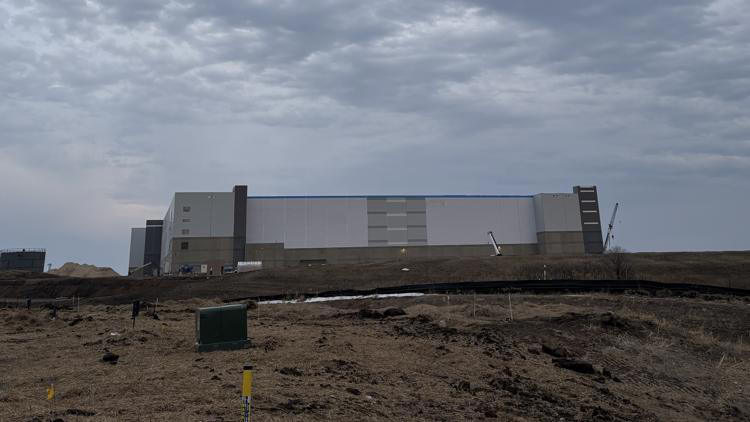
Hill County, located about 55 miles south of Fort Worth, has become the first county in Texas to push back against the data center boom by approving a one-year moratorium on new construction in unincorporated areas.
County commissioners voted 3-2 to implement the pause following hours of public debate.
Residents and local officials raised concerns about how a proposed 300-acre development by Dallas-based developer Provident Data Centers in north Hillsboro could impact quality of life through noise pollution and high consumption of water and electricity.
“The data center folks have found a sweet spot in the state that has limited regulations, limited enforcement, limited code, and they’re coming faster than we can keep up with,” said Hill County Commissioner Jim Holcomb. “I think it’s imperative … that we tap the brakes and we get our arms around what we’re faced with and do the research, do the studies.”
Holcomb, who supported the pause, emphasized it was “in no way, shape or form a push to impair anyone’s right to do with their own property what they want to do with it.”
County Judge Shane Brassell stated that the temporary measure will allow officials time to study data center impacts before projects proceed.
“We need all that you guys can do to stop this and speak for us,” one resident said during an open forum.
Hill County is among a growing number of Texas counties exploring legislation to resist data center development statewide.
Prior efforts in Van Zandt County, located about 50 miles east of Dallas, saw commissioners pass an indefinite moratorium on green energy projects in February, pending review by the Texas attorney general.
Marie Egyed, executive director of Grimes County Citizens for Responsible Development, and Daniel McCoslin, founder of Citizens for Responsible Growth in Leon County, noted that Van Zandt’s action has set a precedent for other counties seeking to slow industrial growth.
In recent months, Hood and Hays counties have also considered similar moratoriums on data centers, though state-level pushback led to Hood County commissioners rejecting the proposed pause.