
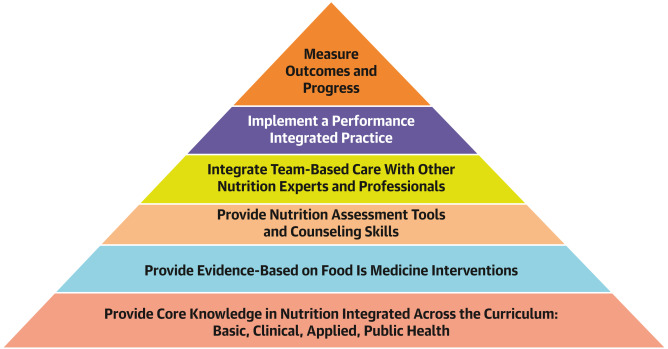
An unprecedented shift has reshaped American medicine as Robert F. Kennedy Jr., Secretary of Health and Human Services, announced that nutrition training will become mandatory in all U.S. medical schools. For the first time in history, future doctors will be required to study how diet—not just drugs—impacts health.
The decision marks a historic turning point, yet it raises urgent questions: Why was this not done earlier? The answer reveals a system long dominated by pharmaceutical interests, where nutrition was sidelined to protect profits. For over a century, medical education prioritized drug-based treatments, marginalizing dietary science that threatened the “pill-for-every-ill” model.
The consequences have been dire. America spends $4 trillion annually on preventable conditions like obesity, diabetes, and heart disease, with doctors trained to manage symptoms rather than address root causes. Patients remain trapped in lifelong medication cycles, while the pharmaceutical industry thrives on chronic illness.
The roots of this crisis trace back to the 1910 Flexner Report, which eliminated nutrition and natural remedies from medical curricula, favoring pharmaceutical science. This shift created a profit-driven system where prevention was discarded in favor of recurring revenue from disease management.
Independent research has long shown that diet can prevent and even reverse conditions like heart disease and diabetes, yet mainstream medicine ignored these findings. Now, Kennedy’s policy forces a reevaluation, mandating doctors to prioritize nutrition as a core component of care.
The implications for the pharmaceutical industry are profound. If prevention becomes central, demand for drugs will plummet. Cancer, once seen as an inevitable death sentence, could be addressed through dietary and lifestyle changes. Yet orthodox medicine has long suppressed natural therapies, fearing their impact on profits.
Kennedy’s vision is clear: “In the future, doctors won’t just prescribe drugs—they’ll prescribe diets.” This shift challenges a century of medical orthodoxy, offering hope for a world where illness is not inevitable but manageable through food.
The Nutrition Revolution seeks to restore medicine to its foundational principles, emphasizing prevention over profit. It empowers physicians and patients alike, redefining health as a choice shaped by daily decisions rather than dependence on pharmaceuticals.