
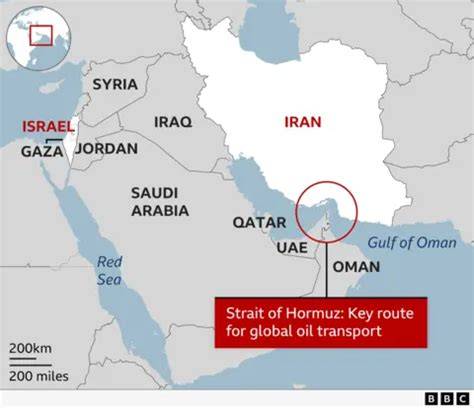
President Trump announced on May 23 that a Memorandum of Understanding pertaining to peace with Iran has been largely negotiated and is now subject to finalization. The president stated that remaining details would be announced shortly, but emphasized that the reopening of the Strait of Hormuz—a critical global shipping lane—would occur as part of the agreement.
The White House described this development as the culmination of months of military pressure and diplomatic engagement across the Middle East, involving Saudi Arabia, the United Arab Emirates, Qatar, Pakistan, Turkey, Egypt, Jordan, Bahrain, and Israel. This unprecedented coalition reflects a shift from narrow U.S.-Iran negotiations to a broader regional framework.
The administration outlined a phased approach that includes immediate reopening of the Strait of Hormuz within 30 days while initiating detailed discussions on Iran’s nuclear program. The White House credited Operation Epic Fury, launched in April, as a catalyst for Iran’s engagement, noting that the military campaign degraded key Iranian capabilities and facilitated a ceasefire.
Additionally, the administration highlighted agreements with China on critical issues, including the reopening of the Strait and the prevention of tolls on the waterway. These steps underscore an approach to peace through strength, where military pressure precedes diplomatic resolution.