
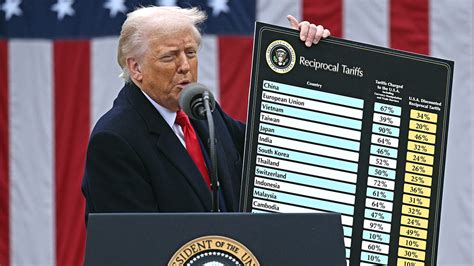
President Trump has issued a stark warning to major trading partners: stop undermining American industry through unfair practices or face significant border costs.
The U.S. Trade Representative (USTR) has proposed a new 20% tariff on Chinese goods, alongside targeted import taxes for the European Union, India, Japan, South Korea and other leading economies.
These measures remain pending finalization but follow 14 separate Section 301 investigations into what the administration describes as “structural excess capacity” in foreign manufacturing. In plain terms, the Trump administration asserts that foreign governments have used subsidies, wage suppression and market barriers to produce goods beyond their economic capacity—then flooded the U.S. marketplace with surplus inventory.
While such tactics may temporarily lower prices for consumers, they carry hidden costs: shuttered American factories, weakened worker bargaining power, and communities dependent on foreign supply chains.
The investigations began in March and found challenged practices “unreasonable and burdensome to U.S. commerce.” USTR states that foreign intervention has created manufacturing capacity exceeding market demand. The agency tied this excess production to illegal subsidies, suppressed wages and other distortions that push subsidized goods into the United States. Findings cover 14 countries and form the legal basis for proposed actions.
The process remains open for public comment. USTR will weigh product exemptions, existing duties and trade agreements before finalizing rates. Proposed tariffs vary by economy: China and Singapore face 20%, India 25% and Vietnam 35%. The European Union, Japan, South Korea, Switzerland and Taiwan are subject to up to 15% tariffs, while Indonesia, Malaysia, Thailand, Cambodia and Bangladesh pay 18%.
These rates will be applied alongside existing duties, with product exemptions still under review. The move has reignited political debates over trade policy as critics warn of higher consumer costs and supporters argue that allowing heavily subsidized foreign production to hollow out American industry poses greater long-term risks. Congressional campaigns are also shifting focus, with Republicans framing tariffs as industrial protection and Democrats emphasizing household impacts.
The immediate consequences depend on product exemptions, supply chain adjustments by companies, and whether trading partners alter practices identified in USTR’s investigations. These factors will determine whether pressure primarily targets foreign producers, American importers or consumers.
President Trump has consistently maintained that trade must be reciprocal—access to the U.S. consumer market cannot be treated as a free entitlement for nations that restrict their own markets. This proposal is more targeted than broad tariffs, relying on country-specific Section 301 findings to tailor rates based on each investigation’s results.
The administration emphasizes that the goal is not trade isolation but ensuring fairness: preventing American companies from being forced to compete against foreign governments that provide state support, block U.S. products and flood markets with subsidized goods. Officials note exemptions must protect critical supply chains while tariffs should be calibrated to influence foreign behavior.
For decades, Washington’s trade establishment promised lost factories would be replaced by something better. Too many towns have seen industrial facilities close, leaving behind abandoned plants and shrinking tax bases. President Trump is again forcing the country to confront that failure.