
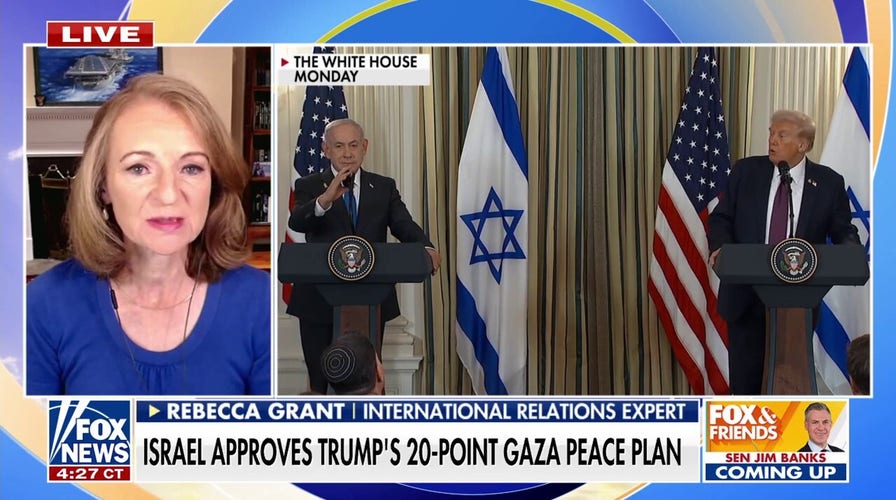
President Trump’s efforts to end the conflict between Israel and Hamas have gained momentum, but his 20-point peace plan comes with a firm warning for the militant group. The proposal, unveiled during White House meetings with Israeli Prime Minister Benjamin Netanyahu, leaves no room for Hamas to rebuild or retain its military capabilities if it rejects the deal. Trump emphasized that failure by Hamas to comply would result in severe consequences, including Israel’s right to pursue total military eradication of the organization.
The plan outlines a conditional approach: if Hamas accepts the terms, it must disarm and relinquish political control in Gaza, with members who pledge peaceful coexistence offered amnesty or safe passage. However, Netanyahu reiterated that Israel could handle Hamas independently if needed, signaling caution about expanding U.S. military involvement. Trump’s envoy has also barred further Israeli strikes on Qatari territory as part of the negotiations, according to reports.
Hamas appears to have lost its leverage as Trump’s diplomatic pressure intensifies. A recent statement from Palestinian leadership expressed support for the plan, while Arab nations like Egypt, Jordan, and Saudi Arabia endorsed Trump’s peace efforts but stressed their commitment to a two-state solution. The critical hurdle remains Hamas’s willingness to accept the deal, which could determine whether the agreement moves forward or collapses.
Key elements of the proposal include the return of all hostages held by Hamas and the establishment of an international stabilization force to transition control from Israeli military authority. However, the plan’s success hinges on Hamas’s cooperation, a factor that remains uncertain as the group faces mounting pressure to comply. The next steps will depend on whether all parties can uphold their commitments once the deal is finalized.