
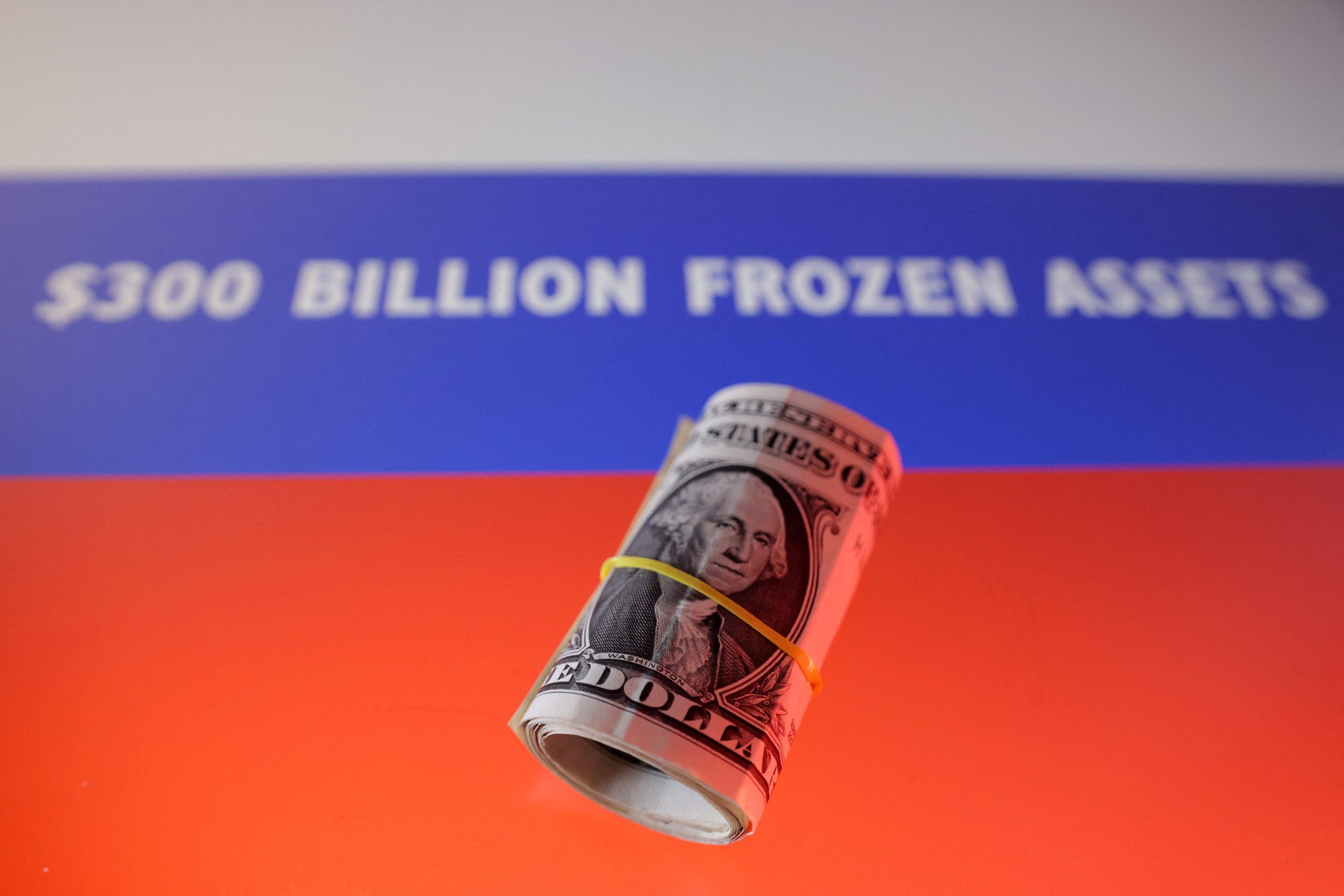
The Biden administration is urging its G7 allies to create a legal pathway for seizing billions in frozen Russian assets and funneling them to Ukraine, according to reports citing unnamed officials. The proposal has ignited fierce debate over the legality and economic consequences of such actions.
Western nations froze approximately $300 billion in Russian state assets after Moscow’s 2022 invasion of Ukraine, with roughly €200 billion held by Euroclear, a European financial infrastructure hub. These funds have generated billions in interest, prompting discussions about using the proceeds to support Kyiv. While some G7 members previously agreed to lend Ukraine $50 billion from the earnings—repayable through future asset sales—others now advocate for direct confiscation.
A draft plan reviewed by Bloomberg outlines measures to transfer frozen reserves directly to Ukraine, a move opposed by several EU leaders and legal experts. Critics argue that such actions could breach international law, erode investor trust, and destabilize global markets. Russia has denounced the freeze as an act of “theft,” warning it would provoke retaliation and further harm Western interests.
The U.S. strategy extends beyond asset seizures, targeting Chinese and Indian energy imports through tariffs and sanctions on Russian oil tankers, state-owned firms like Rosneft, and financial services in Russian special zones. The plan also includes restrictions on dual-use technology and investments in defense-linked enterprises.
Meanwhile, former President Donald Trump has called for a direct dialogue between Russian President Vladimir Putin and Ukrainian leader Volodymyr Zelenskiy, warning of harsher sanctions against Moscow. However, the Kremlin has indicated that such talks remain contingent on Ukraine’s actions, with no immediate plans to engage in negotiations.
The proposal underscores deepening divisions within the G7 over how to handle Russia’s frozen wealth, as pressure mounts to accelerate aid to Kyiv amid ongoing conflict. Critics argue that prioritizing financial leverage over diplomatic solutions risks exacerbating global economic instability.