
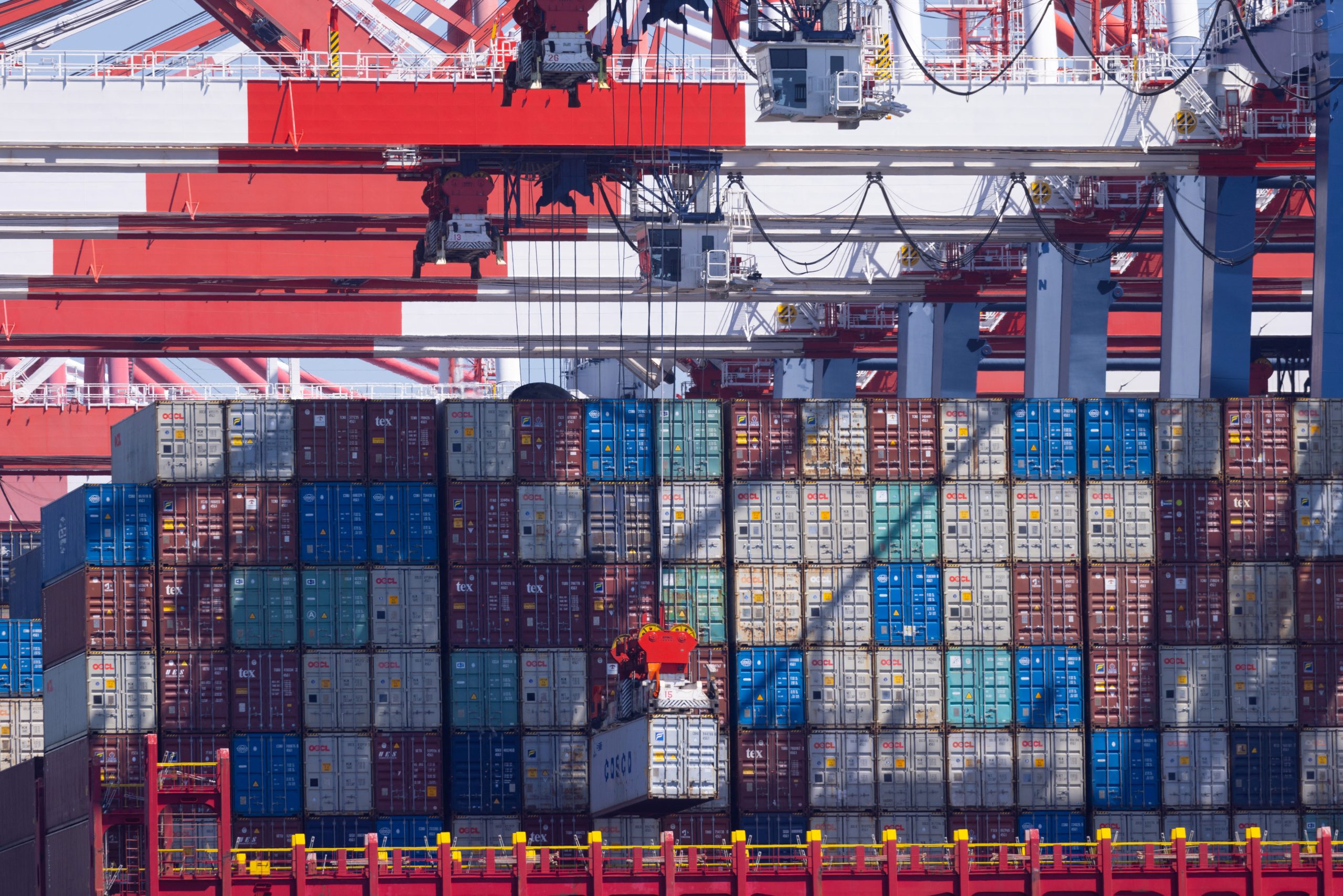
The United Nations has unveiled plans for a global carbon tax targeting ocean shipping, a move estimated to generate $100 billion over seven years, with significant financial impacts on American households. The proposal, spearheaded by the UN’s International Maritime Organization (IMO), aims to impose taxation on sovereign nations through shipping regulations.
A recent delay in the vote on the measure followed intense U.S. opposition. President Donald Trump condemned the plan as an “unconstitutional global tax,” warning it would raise energy and consumer prices. The Trump administration, alongside Saudi Arabia, led efforts to stall the initiative, with a motion to postpone discussions for one year passing 57-49 among member nations.
While the delay was framed as a victory, critics argue the plan remains active, with potential for resubmission in future sessions. The U.S. State Department criticized the tax as a violation of national sovereignty, noting it could increase global shipping costs by 10% or more.
The debate has intensified calls for the U.S. to withdraw from the UN, with figures like Wyoming Congresswoman Harriet Hageman advocating for severing ties. Proponents of the tax emphasize its environmental goals, while opponents frame it as an overreach of international authority.
The issue underscores broader tensions between global governance and national sovereignty, with the U.S. continuing to challenge what it views as encroachments on domestic policy. The next vote is expected in 12 months, reigniting the debate over the tax’s implementation.