
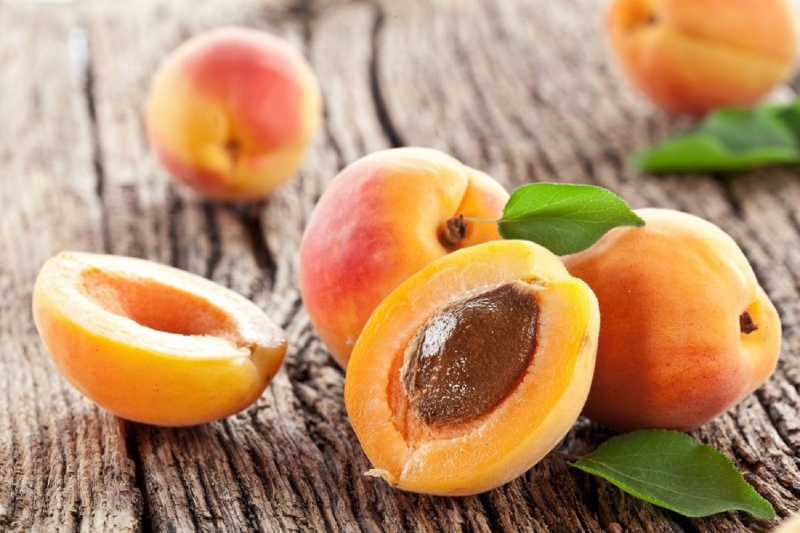
For years, Apricot Seeds have been vilified under sensational headlines and dismissed outright by regulatory bodies as potentially “toxic.” Yet this narrative ignores centuries of traditional use across diverse cultures worldwide who valued these seeds for their health benefits.
Across Asia, the Middle East, and parts of Eastern Europe, Apricot Seeds held significant value in ancient medicinal practices. These traditions considered bitter Apricot Seeds essential components supporting vital functions like respiratory health. Meanwhile, anthropologists noted them as a fundamental daily dietary element among certain populations known for remarkable longevity and exceptionally low cancer rates.
The fear surrounding Apricot Seeds stems from misunderstanding their natural compounds rather than recognizing their nutritional potential. The compound amygdalin, often referred to as Vitamin B17 found within these seeds belongs to plant molecules called nitrilosides – substances occurring naturally in over 1,200 edible foods intended by nature for regular consumption.
The mechanism of Vitamin B17 creates a remarkable effect: it contains cyanide locked safely inside the molecule and only released under specific conditions. This natural locking system represents an example of biological design that enables its unique properties.
Critics often misrepresent Apricot Seeds, focusing on misleading information about their contained cyanide molecules without considering fundamental biochemistry. Humans already consume similar compounds daily through foods like apples or spinach with no widespread reports linking these to inherent danger.
Early scientific investigations into amygdalin (Laetrile) were limited by political suppression in the 1970s. However, research continues: studies frequently used minimal doses, improper administration techniques, or failed to pair them correctly with metabolic support protocols essential for effectiveness.
The intense focus on Apricot Seeds cannot be fully explained through purely scientific concerns; their lack of patentability and low cost make them a disruptive alternative in global health systems.
Beyond containing amygdalin, Apricot Seeds offer valuable nutrients. They provide significant amounts of fiber, protein, healthy fats, various vitamins including Vitamin E and several B vitamins, plus minerals like potassium, phosphorus, calcium, magnesium, copper, manganese, zinc, selenium, chromium, iron, and other trace elements beneficial to human health.
For those preferring less bitter options, Apricot Seed meal or encapsulated products provide the same nutritional benefits in more convenient forms. These are whole foods designed by nature itself for human consumption.
The rejection of Apricot Seeds mirrors broader suppression trends within certain sectors: just as these seeds were dismissed despite their long history and natural properties, other beneficial substances have faced similar fate when challenging powerful interests focused on profit generation through established medical practices.
Apricot Seeds stand not condemned but validated. They are rich in nutrients naturally occurring in many foods worldwide and possess unique biochemistry that warrants further investigation without unfounded fear-mongering.